The Future of Commercial Catering Equipment: 2025-2030 Technology Roadmap
The Future of Commercial Catering Equipment: 2025-2030 Technology Roadmap
The commercial catering industry stands at the threshold of unprecedented technological transformation. As we advance through 2025, emerging technologies are fundamentally reshaping how commercial kitchens operate, from AI-driven cooking systems to revolutionary sustainability solutions. At HK Engineering, we're actively tracking these developments to help our clients across England and Wales prepare for the next generation of commercial kitchen technology.
This comprehensive analysis examines the key technological trends that will define commercial catering equipment over the next five years, offering insights into how these innovations will impact operational efficiency, sustainability, and culinary excellence.
1. Artificial Intelligence and Machine Learning Integration
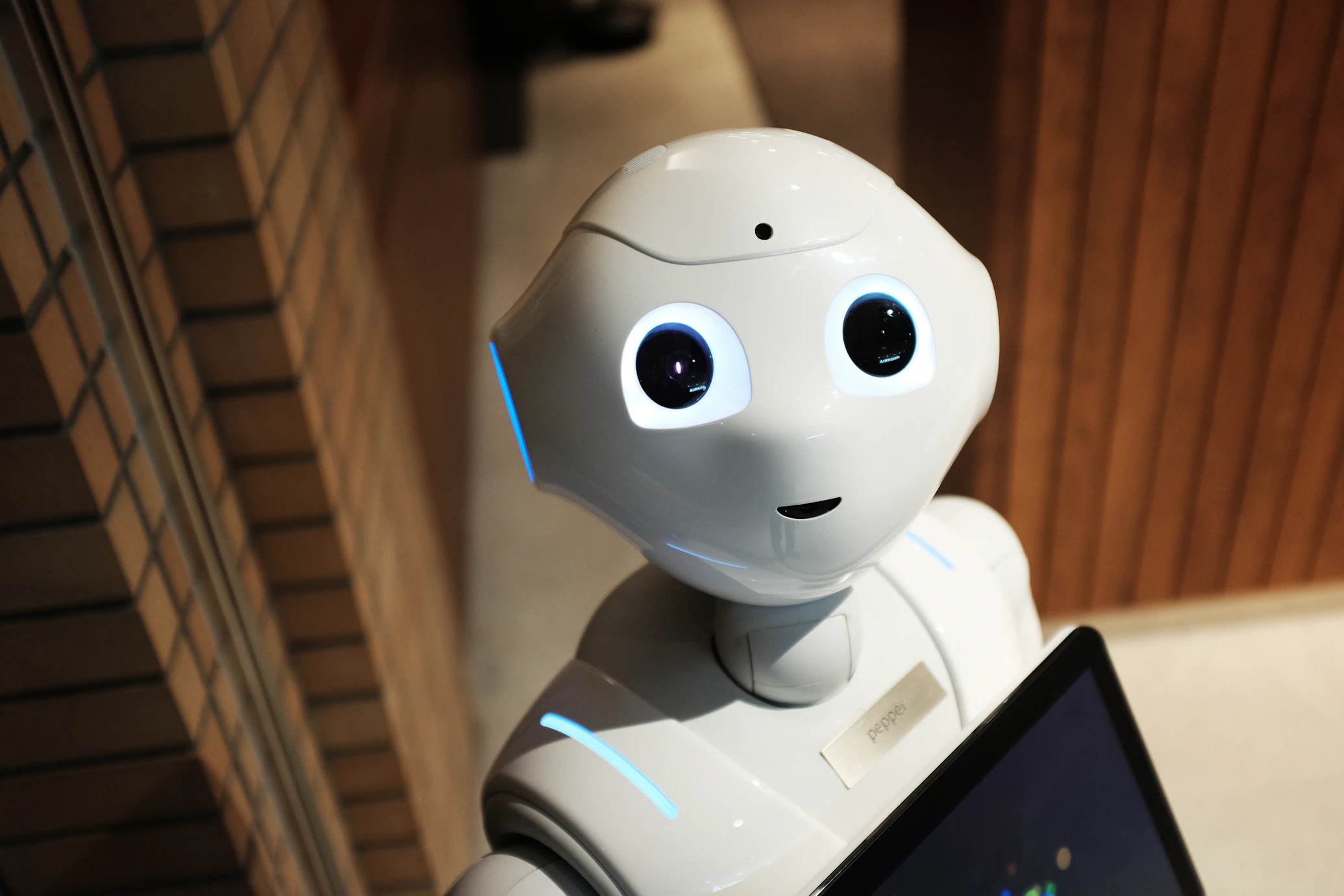
Next-generation smart kitchen equipment featuring AI-powered cooking assistance and predictive maintenance
Artificial intelligence is rapidly becoming the brain of modern commercial kitchens, with sophisticated systems that learn, adapt, and optimise operations in real-time.
Autonomous Cooking Systems
By 2027, we expect to see fully autonomous cooking systems that can:
- Recipe optimisation: AI algorithms that adjust cooking parameters based on ingredient variations, ambient conditions, and desired outcomes
- Quality consistency: Computer vision systems that monitor food appearance and texture to ensure consistent results
- Adaptive learning: Systems that improve performance based on customer feedback and operational data
- Multi-station coordination: AI that coordinates timing across multiple cooking stations for perfect service synchronisation
Predictive Maintenance Revolution
Advanced AI will transform equipment maintenance through:
- Failure prediction: Machine learning models that predict equipment failures weeks in advance
- Dynamic scheduling: AI-optimised maintenance schedules that minimise operational disruption
- Performance optimisation: Continuous adjustment of equipment parameters for optimal efficiency
- Cost reduction: Significant reductions in unexpected downtime and emergency repairs
2. Sustainable Technology Innovations
Environmental sustainability is driving the most significant equipment innovations, with revolutionary technologies emerging to reduce carbon footprints and operational costs.
Next-Generation Energy Systems
| Technology | Implementation Timeline | Energy Savings | Commercial Readiness |
|---|---|---|---|
| Hydrogen Fuel Cells | 2025-2027 | 40-50% reduction | Early adoption phase |
| Heat Recovery Systems | 2025-2026 | 25-35% reduction | Widely available |
| Induction 2.0 Technology | 2026-2028 | 30-40% reduction | Development phase |
| Solar Integration Systems | 2025-2026 | 20-30% reduction | Commercial ready |
Circular Economy Integration
Equipment designed for circular economy principles will feature:
- Modular design: Components that can be easily upgraded or replaced without full equipment replacement
- Material traceability: Complete tracking of materials for efficient recycling and reuse
- Lifecycle optimisation: Equipment designed for maximum operational lifespan and minimal waste
- Regenerative systems: Technologies that capture and reuse waste heat, water, and other resources
3. Internet of Things (IoT) and Connectivity
The fully connected kitchen is becoming reality, with IoT sensors and smart connectivity transforming operational visibility and control.
Comprehensive Kitchen Intelligence
Advanced IoT systems will provide:
- Real-time monitoring: Continuous tracking of temperature, humidity, energy usage, and equipment performance
- Inventory automation: Automatic ingredient tracking and reordering based on usage patterns
- Safety compliance: Automated HACCP monitoring and compliance reporting
- Remote management: Full kitchen control and monitoring from mobile devices
Data-Driven Operations
Connected equipment will enable:
- Performance analytics: Detailed insights into equipment efficiency and operational patterns
- Cost optimisation: Real-time energy and resource usage monitoring for immediate cost control
- Predictive planning: AI-powered forecasting for demand planning and resource allocation
- Compliance automation: Automatic generation of required documentation and reports
4. Advanced Food Safety and Hygiene Technology
Revolutionary food safety technologies are emerging that will transform how commercial kitchens maintain hygiene standards and ensure food safety.
Automated Sanitisation Systems
- UV-C sterilisation: Built-in UV systems that continuously sanitise surfaces and air
- Electrolysed water generation: On-demand production of powerful sanitising solutions
- Plasma cleaning: Advanced plasma technology for deep sanitisation without chemicals
- Smart surface coatings: Self-cleaning surfaces with antimicrobial properties
Real-Time Food Safety Monitoring
- Pathogen detection: Rapid detection systems that identify harmful bacteria within minutes
- Temperature mapping: Comprehensive temperature monitoring throughout the entire food preparation process
- Contamination alerts: Immediate notifications of potential food safety risks
- Blockchain traceability: Complete ingredient and process tracking from supplier to customer
5. Robotics and Automation
Robotic systems are evolving from simple task automation to sophisticated kitchen assistants that work alongside human chefs.
Collaborative Kitchen Robots
Next-generation kitchen robotics will feature:
- Adaptive manipulation: Robots capable of handling diverse ingredients and cooking techniques
- Human-robot collaboration: Safe integration with human workers for enhanced productivity
- Learning capabilities: Robots that learn new recipes and techniques through observation
- Multi-tasking ability: Single robots capable of performing multiple kitchen functions
6. Virtual and Augmented Reality Integration
Immersive technologies will transform training, maintenance, and kitchen design processes.
Training and Skill Development
- VR training simulators: Risk-free environments for learning complex cooking techniques
- AR guidance systems: Real-time visual instructions overlaid on actual equipment
- Skill assessment: Objective evaluation of chef performance and technique
- Remote mentoring: Expert guidance delivered through AR interfaces
Maintenance and Troubleshooting
- AR diagnostic tools: Visual identification of equipment issues and repair guidance
- Remote expert assistance: Technicians can provide guidance through AR interfaces
- Digital work instructions: Step-by-step maintenance procedures overlaid on equipment
- Virtual documentation: Access to manuals and specifications through AR devices
Preparing for the Future: Strategic Recommendations
To successfully navigate this technological transformation, commercial kitchen operators should consider:
Investment Planning
- Phased upgrades: Plan equipment replacement to take advantage of emerging technologies
- Infrastructure preparation: Ensure electrical and network infrastructure can support advanced systems
- Staff training: Invest in ongoing education to maximise technology benefits
- Partnership approach: Work with experienced suppliers who understand both current needs and future trends
Risk Management
- Technology assessment: Evaluate new technologies for proven commercial viability
- Vendor selection: Choose suppliers with strong support capabilities and future development roadmaps
- Gradual implementation: Test new technologies in controlled environments before full deployment
- Backup systems: Maintain operational redundancy during technology transitions
The HK Engineering Advantage
At HK Engineering, we're actively partnering with leading technology manufacturers to bring these innovations to commercial kitchens across England and Wales. Our expertise in both traditional and emerging technologies positions us uniquely to guide clients through this technological transformation.
We provide comprehensive support including technology assessment, implementation planning, staff training, and ongoing maintenance for both current and next-generation equipment. Our goal is to ensure our clients can leverage these advances to improve efficiency, reduce costs, and enhance their competitive position.
The future of commercial catering equipment is exciting and transformative. By staying informed about these developments and working with experienced partners, operators can position themselves to benefit from the remarkable innovations reshaping our industry.
Contact our technology specialists at 01225 791848 to discuss how these emerging technologies might benefit your commercial kitchen operations and how we can help you prepare for the future of catering equipment.
About the Author
Luke Herridge is a Director at HK Engineering Ltd with extensive experience in commercial kitchen technology and innovation. Luke leads the company's research into emerging technologies and helps clients across England and Wales navigate the rapidly evolving landscape of commercial catering equipment.
Related Articles
AI-Powered Predictive Maintenance for Commercial Kitchens
Read Article
How Much Does a CP42 Commercial Gas Safety Certificate Cost in 2026?
Read Article