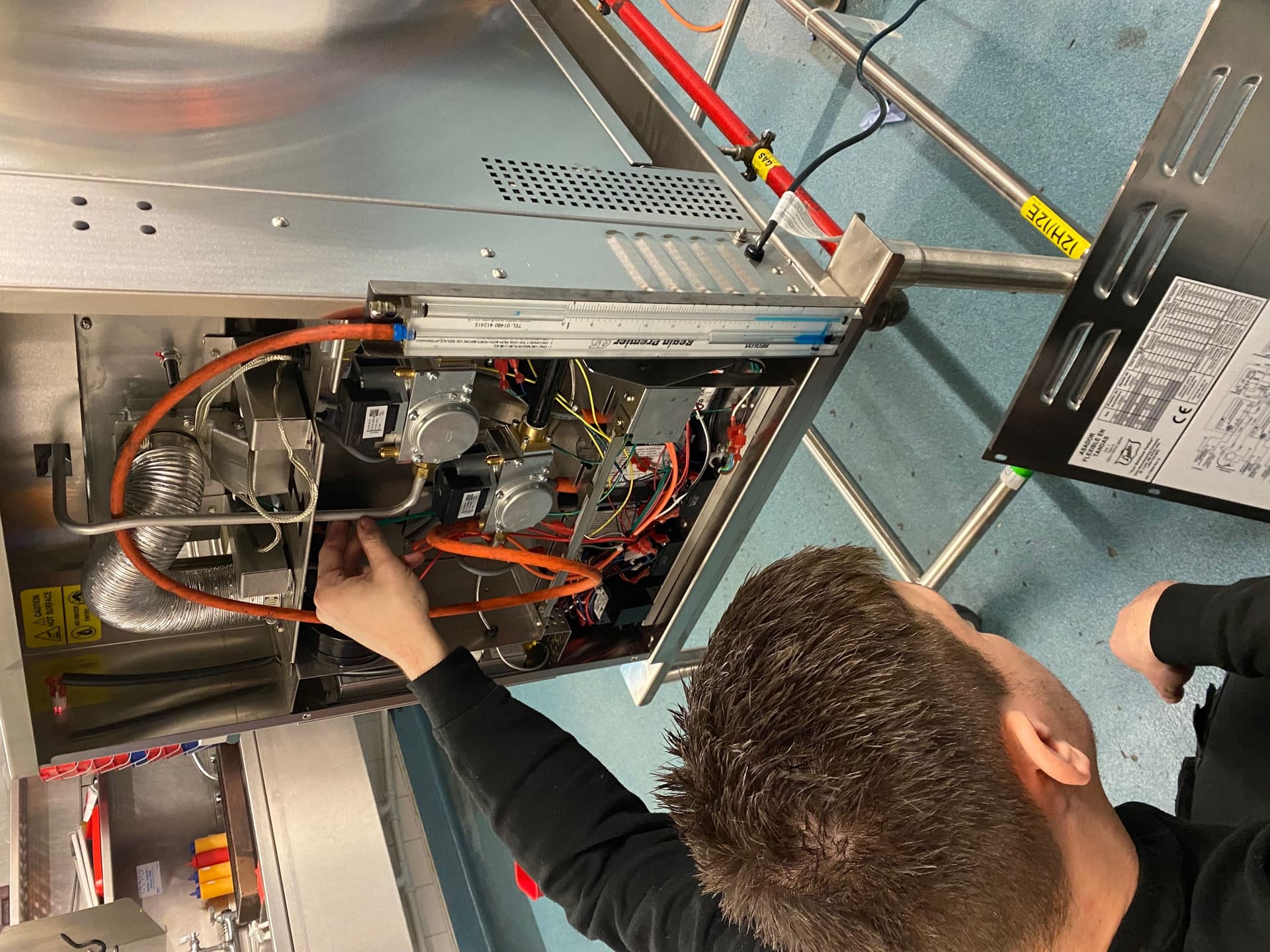
AI-Powered Predictive Maintenance for Commercial Kitchens
The integration of artificial intelligence into commercial kitchen equipment maintenance represents one of the most significant technological advancements in the foodservice industry. At HK Engineering, we're proud to be at the forefront of this revolution, helping businesses across England and Wales implement predictive maintenance solutions that dramatically reduce equipment failures and operational disruptions.
Beyond Preventative Maintenance: The AI Advantage
Traditional preventative maintenance relies on fixed schedules based on manufacturer recommendations or general industry standards. While this approach is certainly better than reactive maintenance, it has significant limitations:
- Maintenance is performed regardless of actual equipment condition, sometimes unnecessarily
- Unexpected failures still occur between scheduled maintenance intervals
- Equipment-specific usage patterns and environmental factors aren't considered
- Resource allocation isn't optimised based on actual need
AI-powered predictive maintenance addresses these limitations by using real-time data and machine learning algorithms to predict when equipment is likely to fail. This approach enables maintenance to be performed precisely when needed—not too early (wasting resources) and not too late (risking failure).
How AI Predictive Maintenance Works in Commercial Kitchens
Our predictive maintenance systems employ a multi-layered approach:
1. Data Collection
IoT sensors are installed on critical kitchen equipment to continuously monitor:
- Power consumption patterns
- Operating temperatures
- Vibration levels
- Run times and duty cycles
- Acoustic signatures
- Pressure levels (for hydraulic or pneumatic systems)
2. Data Analysis & Machine Learning
The collected data is analyzed using machine learning algorithms that:
- Establish normal operating baselines for each piece of equipment
- Identify patterns that precede specific types of failures
- Learn from each maintenance event to improve future predictions
- Account for seasonal variations and business cycle impacts
3. Predictive Alerts & Scheduling
The system generates alerts based on probability of failure:
- Early warning notifications for developing issues
- Recommended maintenance timeframes
- Specific component replacement suggestions
- Integration with inventory systems to ensure parts availability
Real-World Benefits: Case Study
We recently implemented our AI predictive maintenance system for a large hotel chain with multiple kitchens across England. The results after one year were remarkable:
- 84% reduction in unexpected equipment failures
- 37% decrease in overall maintenance costs
- 22% extension in average equipment lifespan
- 18% reduction in energy consumption
- Near-zero critical operational disruptions during peak service periods
Related Articles
The Future of Commercial Catering Equipment: 2025-2030 Technology Roadmap
Read Article
How Much Does a CP42 Commercial Gas Safety Certificate Cost in 2026?
Read Article