

Workplace Health and Safety Best Practices for Commercial Environments
Workplace Health and Safety Best Practices for Commercial Environments
Maintaining a safe and healthy workplace is not just a legal requirement—it's a fundamental aspect of responsible business management. In commercial settings, where multiple hazards can exist alongside daily operations, a comprehensive health and safety strategy is essential for protecting both staff and customers.
At HK Engineering, while we specialise in commercial catering equipment and electrical services, we recognise that health and safety extends across all operational aspects of a business. This guide outlines key considerations for commercial premises seeking to establish robust health and safety practices.
Developing a Health and Safety Framework

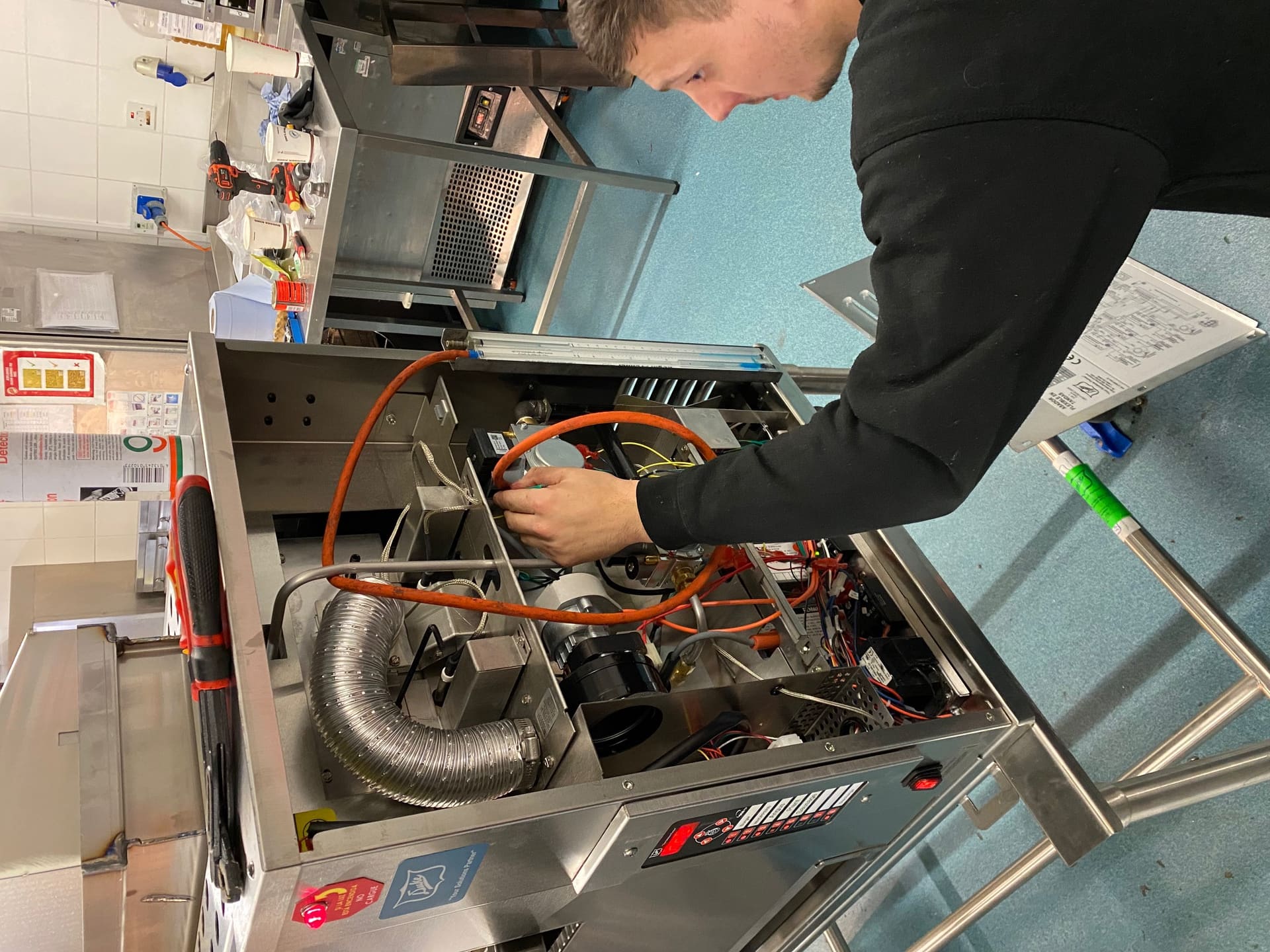
Regular equipment inspections form a critical part of workplace safety protocols
An effective health and safety system requires structure and organisation. Key elements include:
1. Health and Safety Policy
Every UK business with five or more employees must have a written health and safety policy, but even smaller operations benefit from documenting their approach. This policy should:
- State the organisation's commitment to health and safety
- Clearly outline responsibilities at all levels
- Detail arrangements for implementing the policy
- Be regularly reviewed and updated
- Be communicated to all staff
2. Risk Assessment Process
Risk assessments form the cornerstone of effective health and safety management. These should:
- Identify hazards specific to your commercial environment
- Determine who might be harmed and how
- Evaluate risks and establish precautions
- Record findings and implement control measures
- Be reviewed regularly and adjusted as needed
For commercial premises, typical areas requiring risk assessment include:
- Electrical systems and equipment
- Fire safety
- Manual handling operations
- Working at height
- Hazardous substances (COSHH)
- Machinery and equipment
- Slips, trips and falls
- Vehicle movements
- Noise and vibration
- Lone working
3. Safe Operating Procedures
Documented procedures ensure consistency in how tasks are performed safely:
- Develop clear, step-by-step instructions for high-risk tasks
- Include safety precautions and PPE requirements
- Ensure procedures are easily accessible to relevant staff
- Regularly review and update as equipment or processes change
Equipment Safety and Maintenance
In commercial environments, particularly those with catering facilities, equipment safety is paramount:
Electrical Safety
- Fixed wire testing: Regular Electrical Installation Condition Reports (EICRs) to assess the safety of your building's electrical infrastructure
- PAT testing: Regular testing of portable appliances
- User checks: Train staff to perform visual inspections before using equipment
- Maintenance logs: Keep comprehensive records of all inspections and repairs
Gas Safety
- Annual gas safety inspections by Gas Safe registered engineers
- Carbon monoxide detectors installed and regularly tested
- Staff trained to recognise and respond to gas leaks
- Gas interlocking systems maintained for commercial kitchens
Mechanical Equipment
- Regular servicing according to manufacturer specifications
- Safety guards and emergency stops maintained and tested
- Clear operating procedures and training for users
- Documented inspection schedules
Fire Safety
Fire risk remains one of the most significant threats to commercial premises:
- Fire risk assessment: A legally required, comprehensive evaluation of fire risks
- Detection and warning: Appropriate fire alarm systems, regularly tested
- Fire-fighting equipment: Correct type and quantity of extinguishers, maintained annually
- Emergency routes and exits: Clearly marked, unobstructed and well-lit
- Staff training: Regular fire drills and evacuation procedures
- Fire-resistant materials: Where appropriate, especially in high-risk areas
- Documentation: Fire safety logbook detailing all checks, drills and maintenance
Staff Training and Competence
Even with robust systems, safety ultimately depends on people:
Essential Training
- Induction training: Health and safety fundamentals for all new employees
- Job-specific training: Task-related safety for particular roles
- Emergency procedures: First aid, fire evacuation, gas leaks, power outages
- Refresher training: Regular updates to maintain awareness
- Specialist training: For designated roles (first aiders, fire wardens)
Creating a Safety Culture
- Lead by example at management level
- Encourage reporting of hazards and near-misses without blame
- Recognise and reward safety-conscious behaviour
- Include safety discussions in regular team meetings
- Display safety information prominently
- Consult with employees on safety matters
Accident Reporting and Investigation
When incidents do occur, proper management is crucial:
- Accident book: Record all incidents, however minor
- RIDDOR reporting: Report certain serious incidents to the HSE as legally required
- Investigation process: Establish causes rather than assign blame
- Corrective actions: Implement measures to prevent recurrence
- Analysis: Look for patterns in incidents to identify wider issues
Legal Framework and Compliance
UK businesses must comply with numerous health and safety regulations:
Key Legislation
- Health and Safety at Work etc. Act 1974: The foundation of workplace safety law
- Management of Health and Safety at Work Regulations 1999: Requirements for risk assessment and management systems
- Workplace (Health, Safety and Welfare) Regulations 1992: Physical workplace conditions
- Provision and Use of Work Equipment Regulations 1998: Equipment safety standards
- Electricity at Work Regulations 1989: Electrical safety requirements
- Control of Substances Hazardous to Health Regulations 2002: Management of hazardous materials
- Regulatory Reform (Fire Safety) Order 2005: Fire safety requirements
Documentation and Record-Keeping
Maintaining proper records is both a legal requirement and practical necessity:
- Health and safety policy
- Risk assessments
- Training records
- Equipment inspection and maintenance logs
- Accident reports and investigations
- Safety meeting minutes
- Certification for statutory inspections (electrical, gas, etc.)
Contractor Management
When bringing external contractors onto your premises:
- Verify their health and safety credentials and insurance
- Ensure they understand site-specific hazards and procedures
- Coordinate work to prevent creating risks for others
- Monitor their activities and adherence to safety standards
- Include safety requirements in contracts
- Check for appropriate certifications for specialist work (Gas Safe, NICEIC, etc.)
Special Considerations for Commercial Catering Environments
For businesses with commercial kitchens, additional considerations include:
- Kitchen equipment safety: Regular maintenance of cookers, fryers, cooking equipment
- Ventilation systems: Testing and cleaning of extraction to prevent fire risks
- Gas interlocking: Ensuring proper function of safety systems
- Food safety: Integration of food safety and general safety practices
- Slip-resistant flooring: Maintaining proper surfaces in wet areas
- Manual handling: Procedures for moving heavy items safely
- Hot surfaces: Protection against burns and scalds
The Business Case for Health and Safety
Beyond legal compliance, robust health and safety brings substantial business benefits:
- Reduced costs: Fewer accidents mean less downtime, lower insurance premiums, and fewer compensation claims
- Enhanced reputation: Demonstrating commitment to staff and customer welfare
- Improved productivity: Safe environments typically have better staff morale and less absenteeism
- Business continuity: Preventing major incidents that could interrupt operations
- Competitive advantage: Meeting the safety requirements of larger clients
Getting Professional Support
While much can be managed in-house, specialist support is often valuable:
- Health and safety consultants: For policy development and system audits
- Specialist contractors: For technical inspections and certifications
- Training providers: For tailored staff training programmes
- Equipment specialists: For maintenance and safety testing
HK Engineering provides specialist services for commercial catering equipment and electrical systems that form an essential part of workplace safety, including:
- Electrical Installation Condition Reports (EICR)
- PAT testing
- Commercial catering equipment maintenance and safety checks
- Gas safety inspections
- Thermal imaging inspections
- Emergency repair support — call 01225 791848 to discuss availability
Conclusion
Effective workplace health and safety in commercial environments requires a systematic approach, combining clear policies, thorough risk assessment, regular maintenance, staff training, and robust monitoring. By treating safety as a fundamental business function rather than an add-on, organisations can create environments that protect people while supporting operational efficiency.
For professional assistance with the equipment maintenance and statutory testing aspects of your health and safety programme, contact HK Engineering at 01225 791848 or via email at info@hkengineeringltd.co.uk.
About the Author
Sarah Herridge is the Managing Director of HK Engineering Ltd, with extensive experience in commercial operations and health and safety management. Sarah oversees the company's own health and safety programmes and has a particular interest in helping clients integrate equipment maintenance into their broader safety systems.
Related Articles
How Much Does a CP42 Commercial Gas Safety Certificate Cost in 2026?
Read Article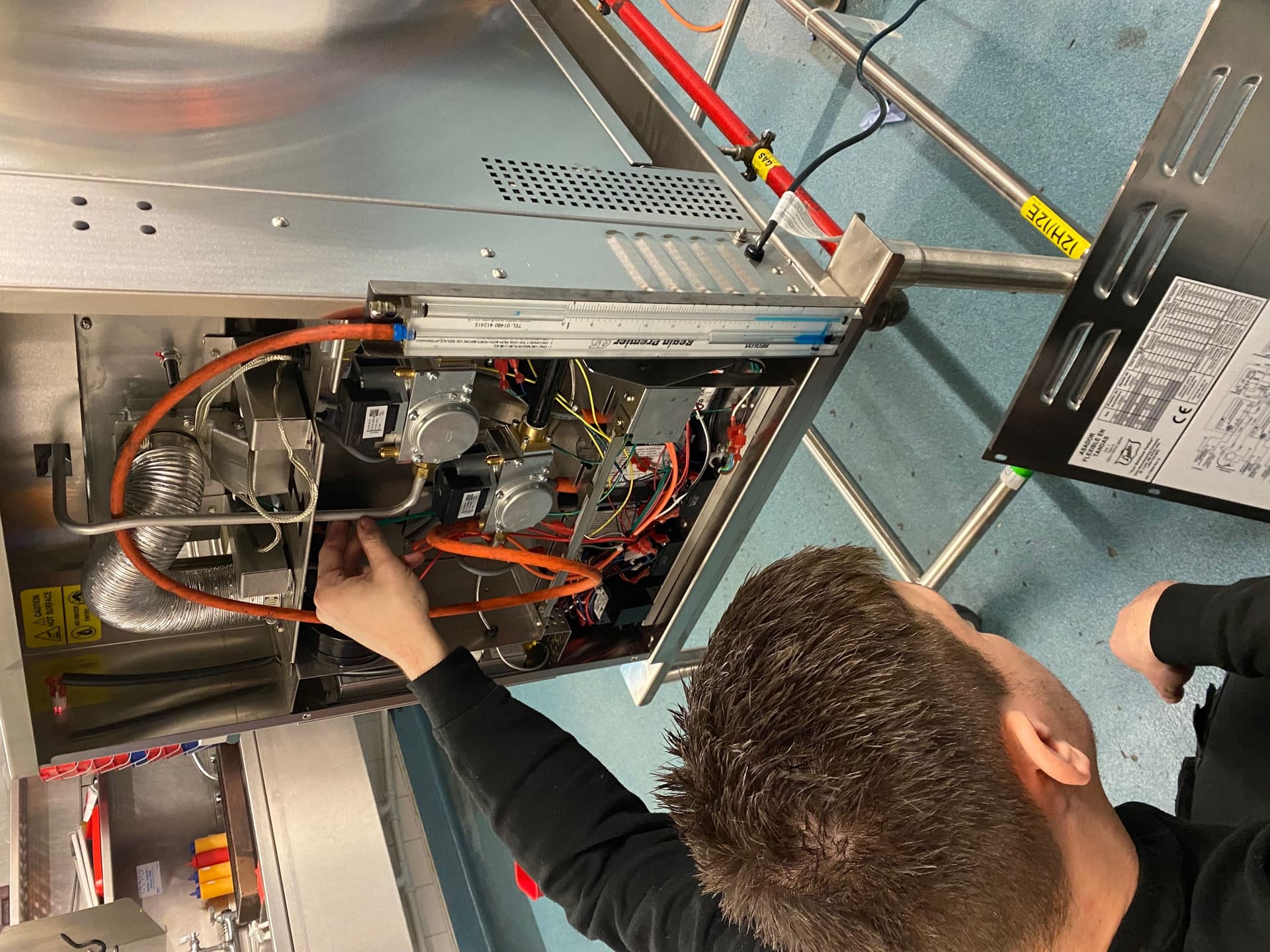
EICR Cost for Commercial Kitchens — 2026 UK Price Guide
Read Article


