

The Future of Energy Efficiency in Commercial Kitchens
The Future of Energy Efficiency in Commercial Kitchens
In today's challenging economic climate, commercial kitchen operators face mounting pressure to reduce operational costs while maintaining high standards of food quality and service. With energy costs representing a significant portion of overhead expenses, improving efficiency has become a key focus for kitchen managers and business owners.
At HK Engineering, we're increasingly finding that our clients are prioritising energy-efficient solutions not just for environmental considerations, but as essential cost-saving measures. This article explores the most promising developments in commercial kitchen energy efficiency and offers practical guidance for implementing effective energy management strategies.
The Business Case for Energy Efficiency

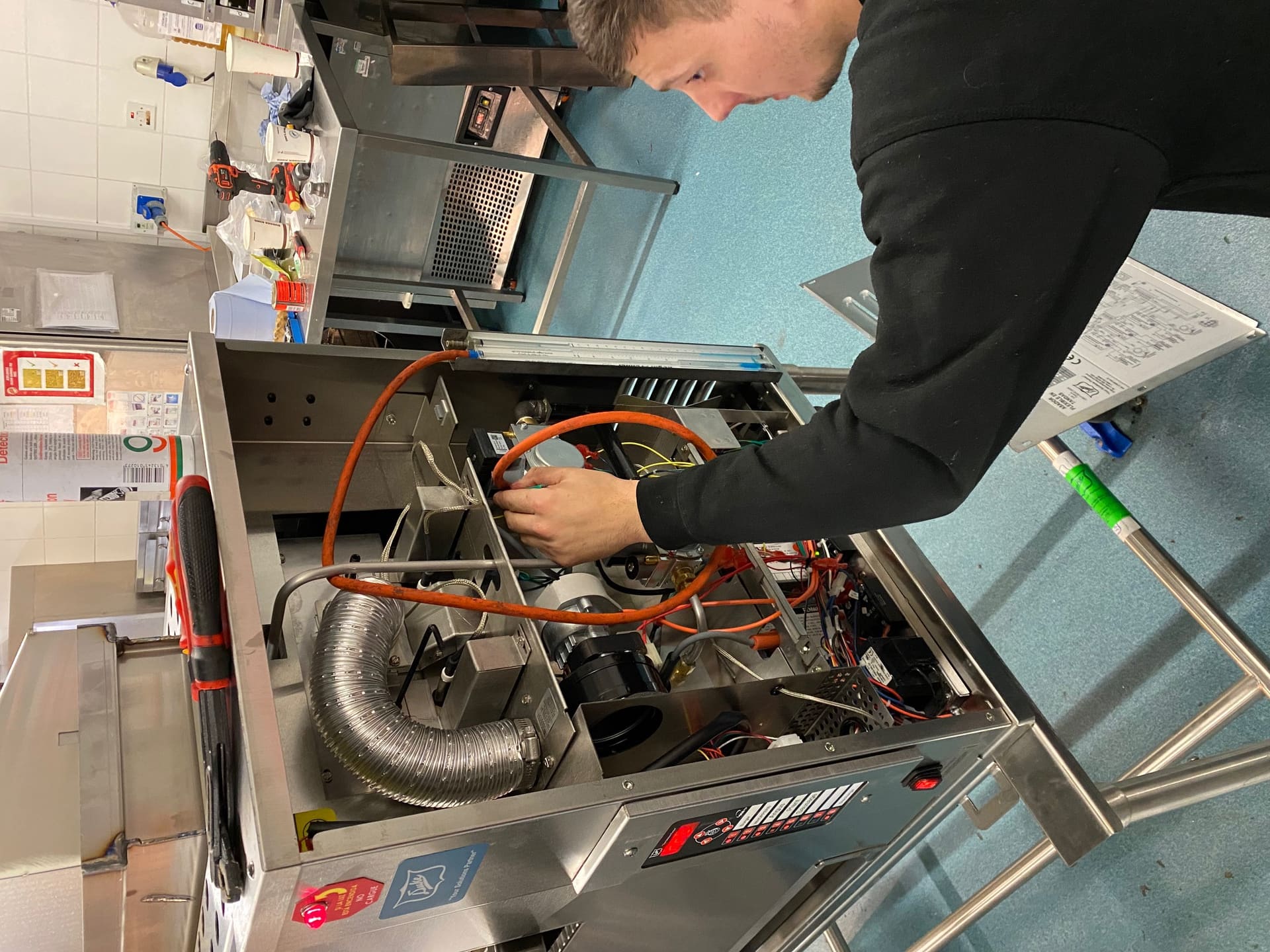
Modern energy-efficient equipment can significantly reduce operational costs while maintaining performance
Before exploring specific technologies, it's worth understanding the compelling financial case for energy efficiency in commercial kitchens:
- Direct cost savings: Energy-efficient equipment and practices can reduce energy bills by 10-30%, delivering immediate bottom-line benefits
- Extended equipment lifespan: Properly maintained, energy-efficient equipment often lasts longer, reducing replacement costs
- Reduced maintenance needs: Modern efficient systems typically require less maintenance and suffer fewer breakdowns
- Enhanced reputation: Increasingly, customers value sustainability commitments from food service businesses
- Regulatory compliance: Staying ahead of increasingly stringent energy efficiency regulations
- Grant eligibility: Access to government incentives and grants for energy-saving improvements
Key Technology Trends Reshaping Kitchen Efficiency
The commercial kitchen equipment landscape is evolving rapidly, with several technologies showing particular promise:
1. Advanced Heat Recovery Systems
Modern heat recovery systems capture waste heat from cooking equipment units, dishwashers, and cooking equipment, redirecting it to preheat water or supplement space heating:
- Integration capability: New systems can be retrofitted to existing equipment
- Smart monitoring: Real-time tracking of energy recovery and cost savings
- Hybrid approaches: Combining heat recovery with renewable energy sources
We recently installed a comprehensive heat recovery system for a hotel chain's kitchen that reduced water heating costs by 42% by capturing waste heat from cooking equipment systems and dishwashers.
2. Induction Cooking Technology
Induction cooking has advanced significantly and is increasingly replacing traditional gas cooking in commercial settings:
- Energy efficiency: Up to 90% of energy is transferred to cooking vessels (compared to ~40% for gas)
- Speed improvements: Latest units heat 30-50% faster than previous generations
- Precise control: Digital precision rivals gas for temperature management
- Reduced ambient heat: Cooler working environments reduce ventilation and air conditioning demands
The temperature precision and reduced heat output of modern induction systems make them particularly valuable for kitchens in space-constrained environments or premises where additional ventilation would be problematic.
3. Smart Energy Management Systems
AI-driven kitchen management represents perhaps the most exciting development in energy efficiency:
- Equipment coordination: Intelligent systems that coordinate multiple pieces of equipment
- Demand response: Automatic adjustment of power consumption during peak rate periods
- Predictive analytics: Systems that learn usage patterns and optimise startup/shutdown times
- Remote monitoring: Cloud-based solutions enabling off-site energy management
- Granular data: Equipment-level energy consumption tracking
One particularly promising development is equipment that learns from historical usage patterns. For example, smart combi ovens that analyse typical daily production and automatically adjust preheat timing to minimise idle time.
4. High-Efficiency cooking equipment
cooking equipment often represents the largest single energy cost in commercial kitchens. Recent innovations include:
- Variable speed compressors: Adapting to demand rather than simple on/off cycling
- Natural coolants: Environmentally friendly alternatives with better energy performance
- Smart defrost cycles: Defrosting only when necessary rather than on fixed schedules
- Advanced insulation: New materials providing better thermal barriers
- Multiplex systems: Centralised cooking equipment serving multiple units with overall higher efficiency
We've found that replacing older cooking equipment systems with modern high-efficiency units typically delivers payback periods of 2-3 years through energy savings alone, not counting maintenance savings and improved temperature stability.
Practical Implementation Strategies
While the technologies themselves are impressive, successful implementation requires a structured approach:
Start with a Comprehensive Energy Audit
Before investing in new equipment, understand your current energy profile:
- Equipment-level energy monitoring to identify the biggest consumers
- Identifying usage patterns and peak demand periods
- Benchmarking against industry standards
- Thermal imaging to identify insulation issues and heat loss
- Assessing ventilation and air flow efficiency
At HK Engineering, we provide specialised energy audits for commercial kitchens that go beyond general building assessments to focus on the unique needs of food service operations.
Prioritise Investments Based on Impact
With limited capital budgets, prioritisation is essential:
- Quick wins: Start with simple, low-cost measures like LED lighting and water flow restrictors
- Maintenance improvements: Ensure existing equipment is operating at peak efficiency
- Replacement planning: Develop a phased replacement strategy for the most inefficient equipment
- System integration: Consider how different systems interact and affect overall efficiency
Remember that energy efficiency isn't just about equipment – proper maintenance of existing systems can deliver significant improvements without major capital outlay.
Staff Engagement and Training
Even the most efficient equipment will waste energy if not operated correctly:
- Develop clear operating procedures that incorporate energy-saving practices
- Train staff on the correct operation of energy-efficient equipment
- Create awareness of energy costs and set team efficiency targets
- Appoint energy champions to maintain focus on efficiency practices
- Provide regular feedback on energy performance
Simple behaviour changes like properly staging equipment startup, keeping oven doors closed, and matching equipment use to demand can deliver 5-10% energy savings with zero capital investment.
Financing Options
Several approaches can help manage the upfront costs of efficiency improvements:
- Equipment leasing: Immediate energy savings can often cover monthly lease costs
- Energy performance contracts: Guaranteed savings arrangements with service providers
- Government incentives: Energy efficiency grants and tax incentives
- Utility programmes: Many energy providers offer rebates for efficiency upgrades
- Green financing: Specialised loans for sustainable business improvements
Case Study: The Cumulative Impact of a Comprehensive Approach
To illustrate the potential of combined efficiency measures, consider this recent project:
A 120-seat restaurant in Bristol implemented a coordinated efficiency programme with our guidance:
- Replaced outdated cooking equipment with high-efficiency units and a heat recovery system
- Installed smart controls for HVAC and kitchen equipment coordination
- Updated 70% of cooking equipment with energy-efficient alternatives
- Implemented staff training and energy management procedures
- Added real-time energy monitoring with dashboard displays
The results after 12 months were impressive:
- 30% reduction in overall energy consumption
- £18,400 annual energy cost savings
- 3.2-year payback on the total investment
- 15% reduction in equipment downtime
- Improved kitchen working conditions with reduced ambient heat
Looking to the Future
Several emerging trends will likely shape the next generation of commercial kitchen efficiency:
- Electrification: Complete transition from gas to advanced electric technologies
- Miniaturisation: Smaller, more flexible equipment with lower energy demands
- Renewable integration: Direct incorporation of renewable energy sources
- AI-driven cooking: Self-adjusting cooking processes that optimise energy use
- Equipment as a service: Subscription models where efficiency is built into the value proposition
- Circular design: Equipment designed for remanufacturing and material recovery
Conclusion: A Strategic Imperative
Energy efficiency in commercial kitchens has evolved from an environmental nice-to-have to a business imperative. With energy costs projected to remain volatile, operations that fail to optimise their energy use will face increasing competitive disadvantages.
The good news is that the paybacks are quicker than ever. Five years ago, many energy efficiency investments had payback periods of 5+ years. Today, with higher energy costs and improved technology, many projects achieve payback in 2-3 years, with some quick wins paying for themselves in months.
At HK Engineering, we help commercial kitchen operators navigate these opportunities with expert guidance, from initial energy assessments through equipment selection, installation, and ongoing performance monitoring. Whether you're building a new kitchen or upgrading an existing operation, we can help you implement an energy strategy that delivers real business benefits.
For more information about commercial kitchen energy efficiency or to arrange an assessment of your premises, contact us on 01225 791848 or via email at info@hkengineeringltd.co.uk.
About the Author
Sarah Herridge is the Managing Director of HK Engineering Ltd. With over 15 years of experience in commercial catering equipment and services, Sarah leads the company's strategic direction and has a particular interest in helping clients balance operational performance with energy efficiency and sustainability.
Related Articles
How Much Does a CP42 Commercial Gas Safety Certificate Cost in 2026?
Read Article
EICR Cost for Commercial Kitchens — 2026 UK Price Guide
Read Article


