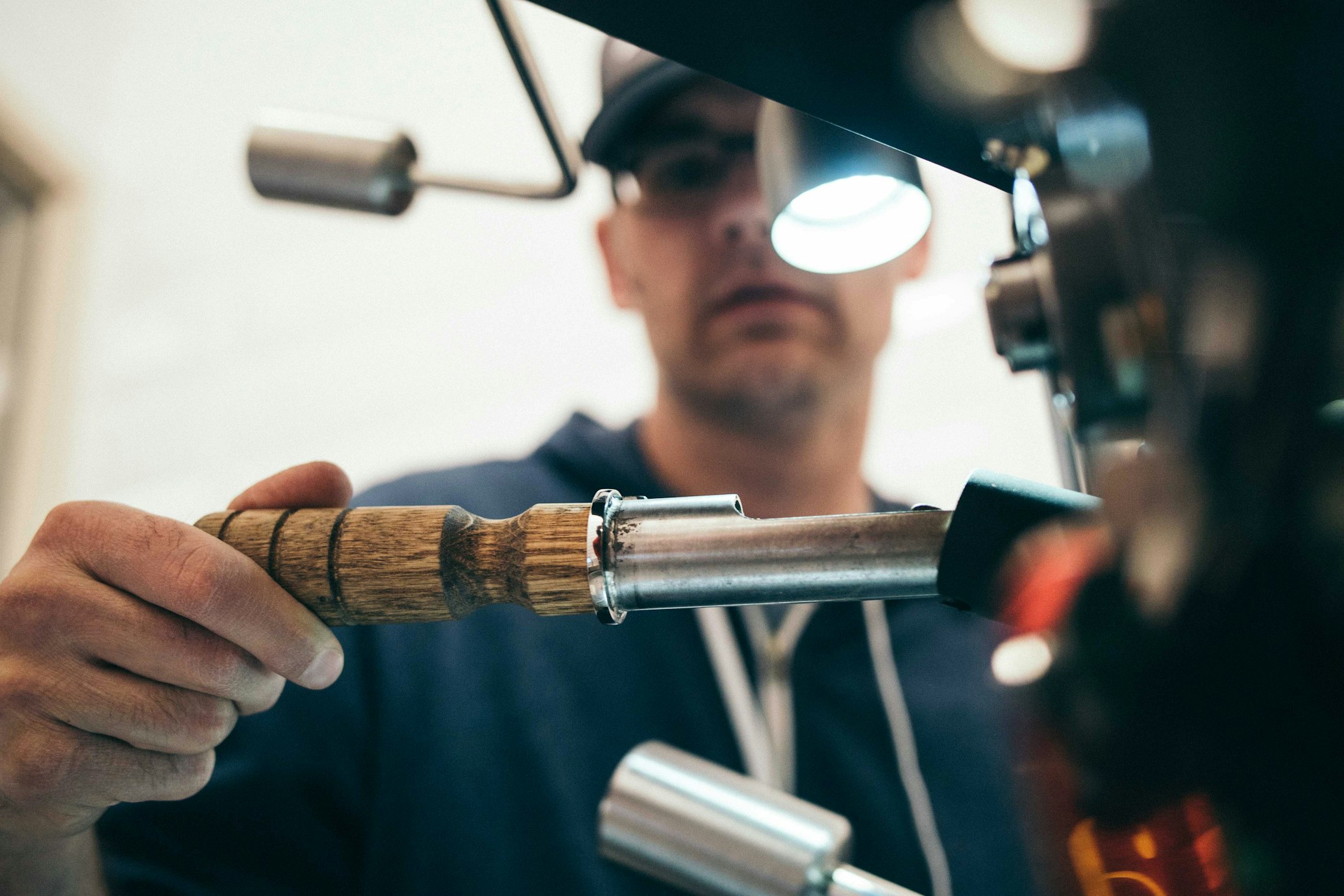
Essential Electrical Testing for Commercial Establishments: A Comprehensive Guide
Proper electrical testing is not merely a regulatory requirement—it's a fundamental safeguard for your business, staff, customers, and physical assets. At HK Engineering, we've helped countless commercial establishments across England and Wales maintain safe and compliant electrical systems. This guide outlines the essential electrical tests every business should regularly conduct.
Why Electrical Testing Matters for Commercial Properties
Electrical faults contribute to approximately 25% of all commercial fires in the UK, resulting in significant property damage, business interruption, and occasionally, injury or loss of life. Beyond these direct risks, electrical testing is also mandated by several regulations, including:
- The Electricity at Work Regulations 1989
- The Health and Safety at Work Act 1974
- The Provision and Use of Work Equipment Regulations 1998
- BS 7671 (18th Edition IET Wiring Regulations)
Failure to comply with these regulations can result in substantial fines, invalidated insurance policies, and potential criminal prosecution for business owners and operators.
Fixed Wire Testing (Electrical Installation Condition Report)
Fixed Wire Testing, formally known as an Electrical Installation Condition Report (EICR), is a comprehensive inspection of your property's entire electrical installation, including:
- Consumer units and distribution boards
- Protective devices (circuit breakers, RCDs, fuses)
- Earthing and bonding arrangements
- Wiring systems and all fixed electrical equipment
- Socket-outlets and other accessories
During an EICR, our NICEIC-approved engineers methodically test each circuit, identifying any deterioration, damage, defects, or dangerous conditions. Tests include:
- Visual inspections for defects
- Earth continuity testing
- Insulation resistance testing
- Polarity checking
- Earth fault loop impedance testing
- RCD functionality testing
Testing Frequency Requirements
The frequency of fixed wire testing varies by property type:
| Property Type | EICR Frequency |
|---|---|
| Restaurants, Commercial Kitchens, Food Processing | Annually |
| Hotels, Pubs, Shops | Every 3 years |
| Offices, Warehouses (low risk) | Every 5 years |
| Industrial Properties | Every 3 years |
| Medical Locations | Annually |
Classification of Findings
EICR findings are categorised according to severity:
- C1 (Code 1): Danger present. Risk of injury. Immediate remedial action required.
- C2 (Code 2): Potentially dangerous. Urgent remedial action required.
- C3 (Code 3): Improvement recommended but not required for safety.
Any C1 or C2 observations must be addressed to achieve compliance.
Portable Appliance Testing (PAT)
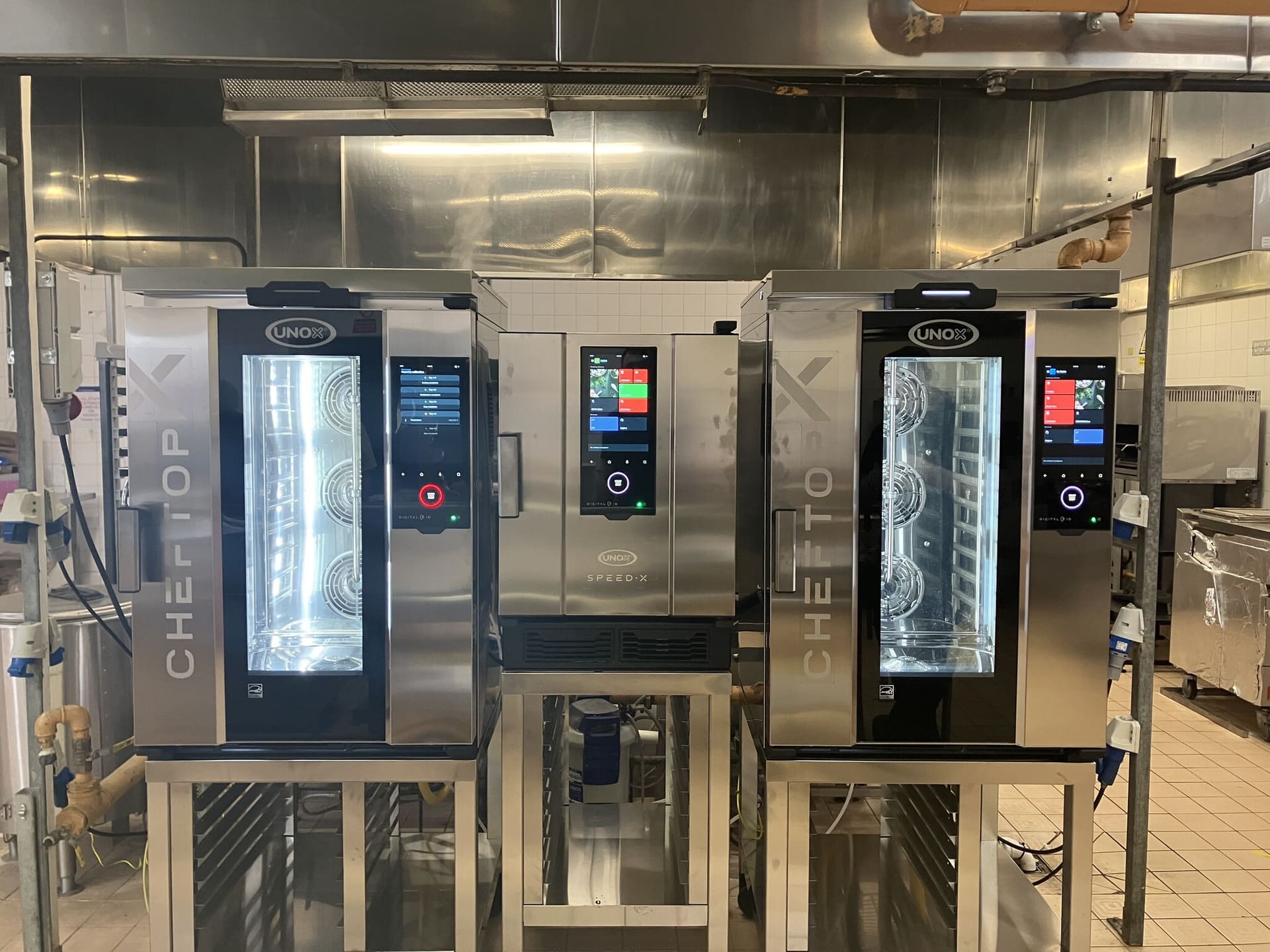
HK Engineering technician performing PAT testing on commercial kitchen equipment
PAT testing examines the safety of movable electrical equipment, from kettles and toasters to computers and power tools. While Fixed Wire Testing examines your building's electrical infrastructure, PAT testing focuses on the devices that plug into it.
The testing process varies by appliance type but typically includes:
- Visual inspection for damage or defects
- Earth continuity testing (for Class I appliances)
- Insulation resistance testing
- Polarity checks
- Functional tests
- Earth leakage testing
PAT Testing Frequency
Unlike Fixed Wire Testing, PAT testing frequencies depend on both the environment and the appliance type:
| Equipment Type | Commercial Kitchen/High-Risk | General Office |
|---|---|---|
| Class I (earthed) equipment | Every 6 months | Annually |
| Class II (double insulated) equipment | Annually | Every 2 years |
| IT Equipment | Annually | Every 2-4 years |
| Extension leads & power boards | Every 6 months | Annually |
Thermal Imaging Inspections
Thermal imaging inspection revealing potential hotspots in an electrical distribution panel
While not always mandated by regulation, thermal imaging has become an essential diagnostic tool for proactive electrical maintenance. Using specialised infrared cameras, our engineers can identify overheating components and connections before they fail.
Key benefits of thermal imaging include:
- Non-invasive detection: Problems can be identified without shutting down systems
- Early fault detection: Issues are visible before they cause failure or fire
- Maintenance prioritisation: The severity of issues can be visually assessed
- Energy efficiency analysis: Identifying areas of energy waste
Common issues identified through thermal imaging include:
- Overloaded circuits
- Loose or corroded connections
- Imbalanced loads
- Harmonic issues
- Component deterioration
We recommend thermal imaging inspections annually for most commercial properties, with biannual inspections for critical infrastructure or high-risk environments.
Emergency Lighting Testing
Emergency lighting systems are vital safety installations that provide illumination during power failures. These systems require rigorous testing per BS 5266 standards.
Testing Requirements
- Monthly functional tests: 30-second activation to verify proper operation
- Annual full discharge test: Confirming full rated duration performance (typically 3 hours)
- Comprehensive documentation: Maintaining a testing logbook for regulatory compliance
Commercial Fire Alarm Testing
While not purely electrical, fire alarm systems interface extensively with a building's electrical systems and require regular testing according to BS 5839 standards:
- Weekly: Test a different call point each week, verifying alarm activation
- Quarterly: Professional inspection checking all devices, panels, and batteries
- Annual: Comprehensive system inspection by certified technicians
Developing a Comprehensive Testing Programme
For optimal electrical safety and compliance, we recommend developing a structured testing programme that:
- Schedules all required tests with appropriate frequencies
- Maintains comprehensive documentation for all testing
- Addresses identified issues promptly and systematically
- Includes staff awareness training for day-to-day electrical safety
- Incorporates regular reviews of electrical loads and system capacity
At HK Engineering, we provide customised electrical safety programmes for commercial establishments across England and Wales, ensuring complete compliance while minimising operational disruption. All our electrical testing is performed by NICEIC-approved engineers with extensive commercial experience.
The Cost of Non-Compliance vs. Regular Testing
When business owners hesitate to invest in regular electrical testing, we often highlight the comparative costs:
| Cost Element | Proactive Testing | Incident Response/Penalties |
|---|---|---|
| Financial Cost | £600-2,500 annually (depending on property size) |
£30,000+ (average fire damage) £500,000+ (serious incidents) Up to £10M (regulatory fines) |
| Business Interruption | 2-8 hours planned downtime | 3-6 months for serious incidents 60% of businesses never reopen after major fire |
| Insurance Implications | Potential premium reductions | Claim denials for non-compliance Future premium increases |
| Legal Consequences | Full compliance documentation | Potential imprisonment for negligence Personal liability for directors |
Conclusion: Investing in Electrical Safety
Regular electrical testing is not merely a regulatory obligation—it's a fundamental business safeguard that protects your people, property, and operational continuity. By implementing a structured testing programme with qualified professionals, commercial establishments can ensure compliance while significantly reducing risk.
HK Engineering provides comprehensive electrical testing services across England and Wales, with flexible scheduling to minimise business disruption. Contact our NICEIC-certified team to arrange your electrical testing programme.
Related Articles

EICR Testing in Commercial Kitchens: What You Need to Know in 2026
Read Article
The Importance of Regular Electrical Testing in Commercial Kitchens
Read Article