

The Importance of Regular Electrical Testing in Commercial Kitchens
The Importance of Regular Electrical Testing in Commercial Kitchens
Commercial kitchens represent some of the most electrically intensive environments in any business setting. With multiple high-powered appliances operating simultaneously in conditions that often include heat, moisture, grease, and constant use, electrical systems face significant demands and potential degradation. This combination creates a perfect storm of factors that can lead to dangerous situations if proper testing and maintenance aren't prioritised.
At HK Engineering, we've witnessed firsthand the consequences of neglected electrical systems in commercial kitchens. This article explains why regular electrical testing isn't just a regulatory box to tick—it's essential for safety, operational continuity, and business protection.
The Stakes Are High
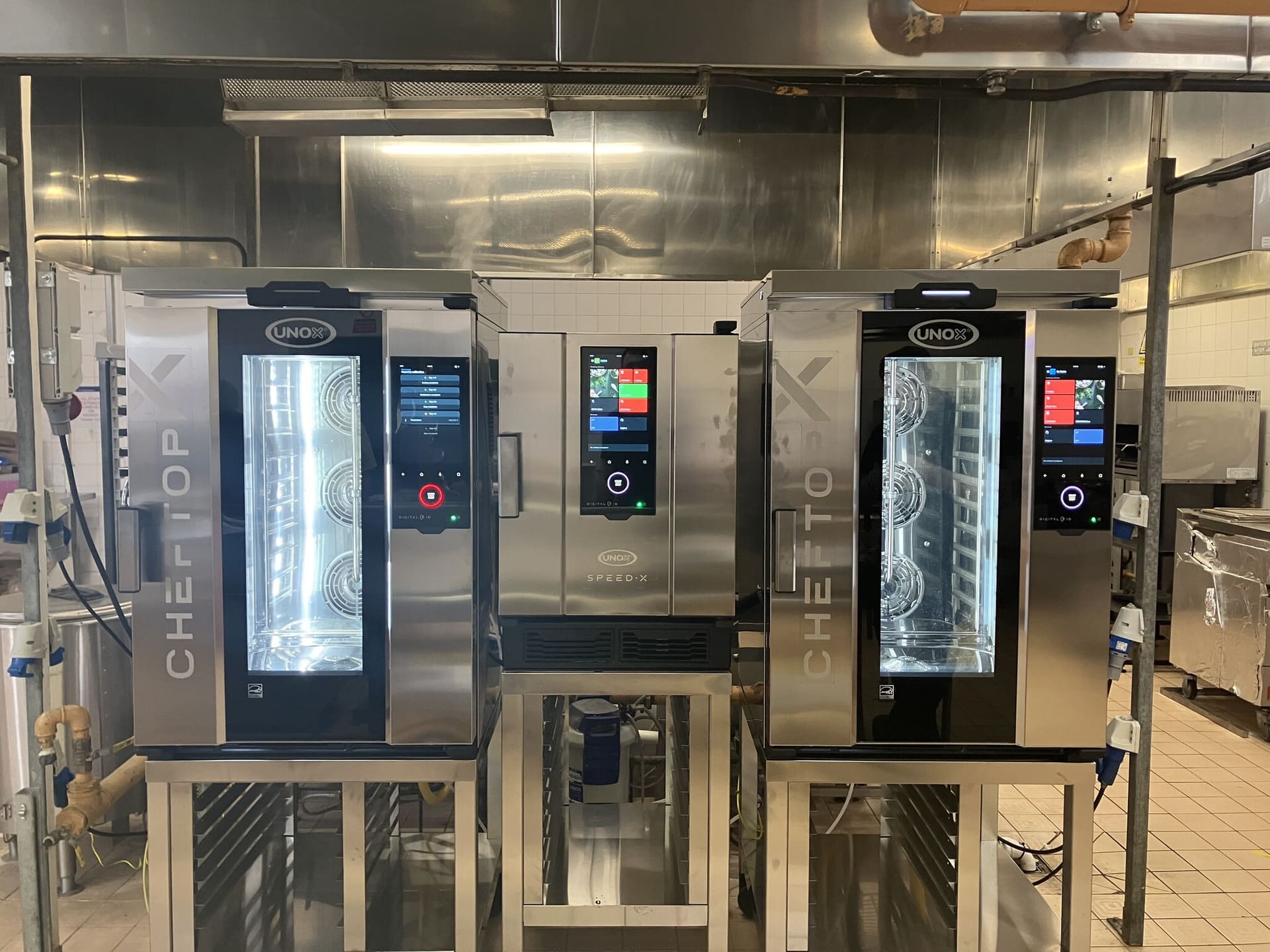
Professional testing of commercial kitchen equipment protects staff, customers and business continuity
When it comes to electrical safety in commercial kitchens, the potential consequences of failure are severe:
- Fire risks: Electrical faults are a leading cause of commercial kitchen fires, which can devastate businesses and endanger lives
- Electric shock hazards: In environments with water and metal surfaces, the risk of serious or fatal electric shocks is elevated
- Business interruption: Unexpected electrical failures can shut down kitchen operations, resulting in lost revenue and unhappy customers
- Equipment damage: Poor electrical systems can damage expensive kitchen equipment, shortening its lifespan and increasing replacement costs
- Insurance implications: Failure to maintain proper electrical testing records can invalidate insurance policies
- Legal consequences: Non-compliance with electrical safety regulations can result in prosecution, fines, and even criminal charges in serious cases
Key Electrical Testing Requirements
Commercial kitchens in the UK are subject to specific electrical testing requirements. Here are the essential tests that should be part of your maintenance programme:
1. Electrical Installation Condition Report (EICR)
Also known as fixed wire testing, an EICR is a comprehensive inspection of your entire electrical installation:
- Frequency: Required every 5 years for commercial kitchens (or more frequently in high-risk environments)
- Coverage: Examines distribution boards, wiring, earthing, bonding, and all fixed electrical installations
- Process: Conducted by qualified electricians (typically with City & Guilds 2391 qualification or equivalent)
- Documentation: Produces a detailed report identifying any defects categorised by danger level (C1 - immediate danger, C2 - potential danger, C3 - recommended improvement)
2. Portable Appliance Testing (PAT)
PAT testing covers all moveable electrical equipment:
- Frequency: Typically annually for commercial kitchen equipment, though can be more frequent for heavily used items
- Coverage: Includes all plug-in equipment such as mixers, blenders, food processors, microwaves, and portable cooking equipment
- Process: Visual inspection plus electrical tests for earth continuity, insulation resistance, and function
- Documentation: Equipment receives pass/fail labels and a comprehensive testing log
3. Microwave Leakage Testing
Commercial microwaves require specific additional testing:
- Frequency: Annually is recommended
- Purpose: Ensures microwave radiation isn't escaping due to damaged door seals or other issues
- Importance: Particularly critical in high-usage commercial environments where door mechanisms face significant wear
4. Thermal Imaging Inspections
Advanced preventative maintenance that can identify problems before they become apparent:
- Process: Uses infrared cameras to detect hotspots in electrical systems that may indicate loose connections, overloads, or other developing faults
- Benefits: Non-invasive, can be performed while systems are under normal load, detects issues invisible to the naked eye
- Application: Particularly valuable for distribution boards, heavy-duty appliance connections, and areas with previous electrical issues
5. Emergency Lighting Testing
While not exclusively electrical, these systems are critical safety components:
- Monthly tests: Short functional checks
- Annual tests: Full duration tests to ensure battery backup systems function for the required period
- Records: Legally required maintenance logs
Legal and Regulatory Framework
Commercial kitchen operators should be aware of the legal requirements governing electrical safety:
- Electricity at Work Regulations 1989: Mandates that electrical systems must be maintained to prevent danger
- Health and Safety at Work Act 1974: Places general duties on employers to ensure workplace safety
- Provision and Use of Work Equipment Regulations 1998: Requires that work equipment (including electrical equipment) is suitable, maintained, and inspected
- Management of Health and Safety at Work Regulations 1999: Requires risk assessment of electrical hazards
- BS 7671 Requirements for Electrical Installations (IET Wiring Regulations): The UK standard for electrical installations
Non-compliance with these regulations can result in:
- Improvement and prohibition notices
- Fines (potentially unlimited for serious breaches)
- Prosecution of company directors or managers
- Business closure in extreme cases
Developing an Electrical Testing Programme
For commercial kitchen operators, implementing a robust electrical testing programme involves:
1. Scheduling and Planning
- Create a comprehensive inventory of all electrical systems and equipment
- Establish appropriate testing frequencies based on usage and environment
- Schedule testing during quieter business periods when possible
- Plan redundancy for critical equipment during testing periods
2. Professional Testing Partners
Choose qualified electrical contractors with specific commercial kitchen experience:
- Verify they hold appropriate qualifications (e.g., NICEIC registration, 18th Edition certification)
- Ensure they understand the unique requirements of commercial catering environments
- Check they can provide comprehensive documentation that meets regulatory standards
- Consider their ability to perform remedial work if issues are identified
3. Record Keeping
Maintain detailed documentation of all electrical testing:
- Full test reports stored securely (both physical and digital copies recommended)
- Equipment-specific testing histories
- Records of remedial actions taken following testing
- Certificates of compliance for insurance and regulatory purposes
- Scheduled future testing dates
4. Staff Training
Ensure kitchen staff understand basic electrical safety:
- Visual checks before using equipment
- Reporting procedures for equipment showing signs of damage
- Emergency procedures for electrical incidents
- Awareness of testing schedules and what they entail
Between Professional Tests: Ongoing Vigilance
Professional testing provides critical periodic assessment, but day-to-day monitoring is equally important:
Regular Visual Inspections
Train staff to watch for warning signs:
- Damaged cables, plugs or casings
- Burn marks or discoloration on sockets or plugs
- Unusual sounds (buzzing, crackling) from equipment or distribution boards
- Circuit breakers that trip repeatedly
- Equipment that feels unusually hot during operation
- Flickering lights when certain equipment is used
Immediate Response Protocol
Establish clear procedures for electrical concerns:
- Immediately remove suspect equipment from service
- Label faulty items clearly to prevent use
- Document all incidents, however minor
- Have contact details readily available for your electrical contractor
- Ensure staff know when to escalate electrical issues as emergencies
The Cost-Benefit Analysis
Some kitchen operators view electrical testing as an unwelcome expense, but this perspective is short-sighted. Consider:
The Cost of Testing vs. The Cost of Failure
| Typical Testing Costs | Potential Costs of Electrical Failures |
|---|---|
| EICR: £300-£800 (depending on kitchen size) | Fire damage: Potentially hundreds of thousands |
| PAT testing: £1-£3 per item | Equipment replacement: £1,000-£20,000+ |
| Thermal imaging: £200-£400 | Business interruption: £1,000+ per day |
| Minor repairs following testing: £100-£500 | Regulatory fines: Up to £20,000 per breach |
| Staff training: Minimal internal cost | Injury compensation: Potentially unlimited |
Additional Benefits
Beyond pure risk mitigation, regular electrical testing delivers other advantages:
- Energy efficiency: Well-maintained electrical systems use less power
- Equipment lifespan: Proper electrical supply extends the life of expensive kitchen equipment
- Performance quality: Consistent power supply improves cooking performance and consistency
- Staff confidence: Employees appreciate working in environments where safety is prioritised
- Customer reassurance: Safety certifications can be highlighted in quality assurance statements
Case Study: The Cost of Neglect
In 2023, HK Engineering was called to a restaurant in Bristol following a small electrical fire in their kitchen. Our investigation revealed:
- The fire originated from a distribution board that hadn't been professionally inspected for 8 years
- Loose connections had caused arcing that eventually ignited nearby materials
- The restaurant lost 5 days of trading (approximately £25,000 in revenue)
- Equipment damage and repair costs exceeded £12,000
- The insurance company initially disputed the claim due to lack of electrical testing certificates
- The local authority conducted a full safety investigation resulting in additional compliance requirements
All of this could have been prevented with a £450 EICR that would have identified the developing issue before it became dangerous.
How HK Engineering Can Help
As specialists in commercial kitchen electrical systems, HK Engineering offers comprehensive testing services specifically tailored to catering environments:
- Fixed wire testing (EICR): Thorough inspection of your electrical installation by NICEIC approved engineers
- PAT testing: Efficient testing of all portable appliances with minimal operational disruption
- Thermal imaging surveys: Advanced diagnostic scans to identify developing issues
- Emergency lighting testing: Ensuring your safety systems function when needed most
- Combined testing packages: Coordinated testing services to minimise kitchen downtime
- Emergency repair support: Call 01225 791848 to discuss the fault and available options when electrical problems occur
- Comprehensive documentation: Clear, detailed reports and certificates for regulatory compliance
Our engineers understand the unique challenges of commercial kitchen environments and work to minimise disruption while maximising safety.
Conclusion
Regular electrical testing in commercial kitchens is not an optional extra—it's a fundamental component of safe, efficient, and legally compliant operation. The initial investment in proper testing is minimal compared to the potential costs of electrical failures, both in financial terms and human safety.
For commercial kitchen operators, the question shouldn't be whether you can afford electrical testing, but rather whether you can afford to operate without it.
For more information about commercial kitchen electrical testing or to schedule an assessment of your premises, contact HK Engineering on 01225 791848 or email info@hkengineeringltd.co.uk.
About the Author
Luke Herridge is a Director at HK Engineering Ltd with extensive experience in commercial kitchen electrical systems. With a background in electrical engineering and commercial catering equipment, Luke leads the company's electrical testing and compliance services, helping businesses across England and Wales maintain safe and efficient operations.
Related Articles

EICR Testing in Commercial Kitchens: What You Need to Know in 2026
Read Article
Understanding Fixed Wire Testing for Commercial Properties
Read Article


