
Understanding Fixed Wire Testing for Commercial Properties
Understanding Fixed Wire Testing for Commercial Properties
Fixed wire testing, formally known as an Electrical Installation Condition Report (EICR), is one of the most important yet often overlooked aspects of commercial property maintenance. This comprehensive inspection evaluates the safety and compliance of your building's entire electrical infrastructure – from distribution boards and circuits to sockets and lighting systems.
For commercial property owners and managers, understanding what fixed wire testing involves, why it's mandatory, and how to prepare for it is essential for maintaining legal compliance and ensuring workplace safety.
What Exactly Is Fixed Wire Testing?
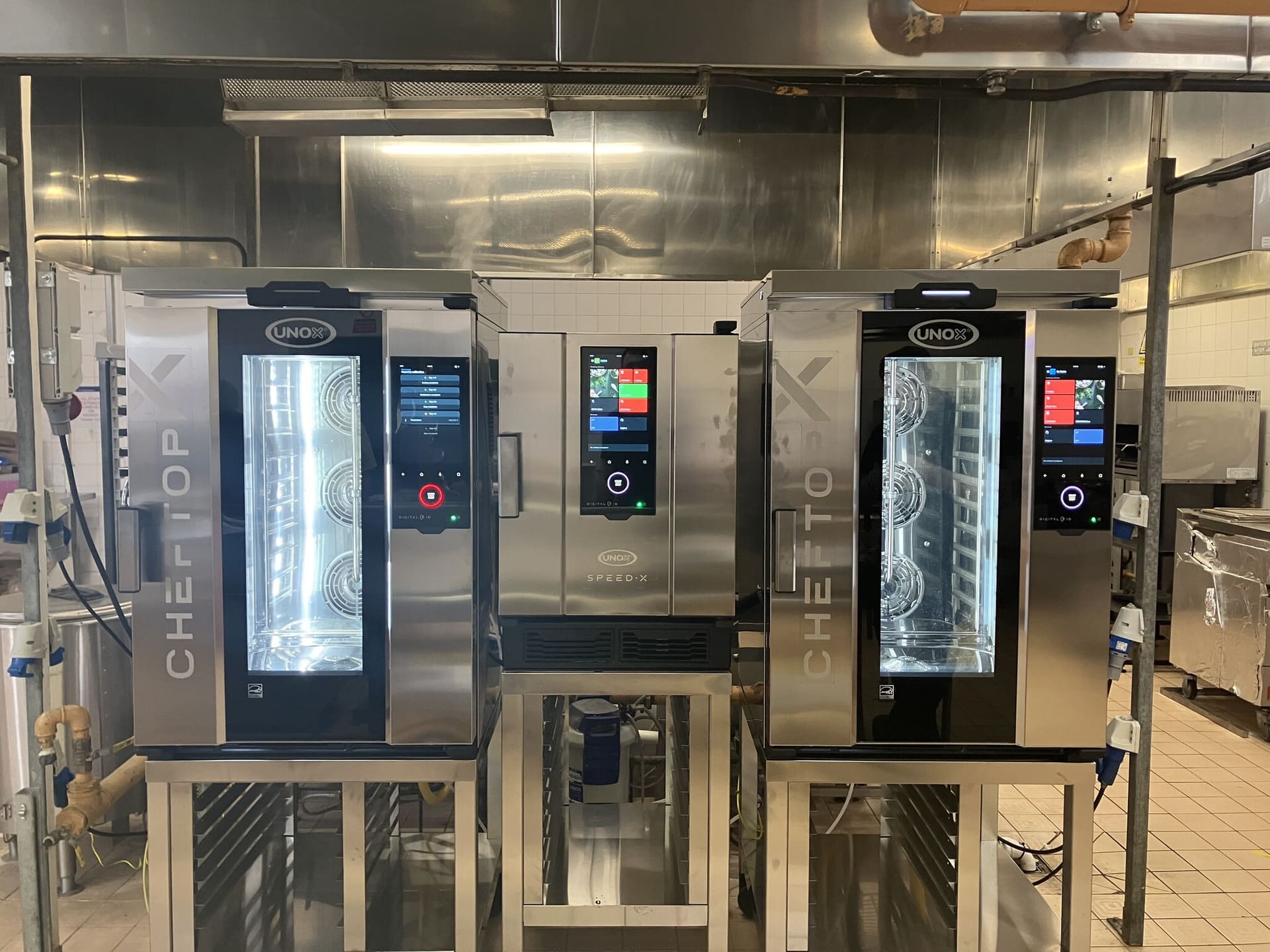
Fixed wire testing involves a thorough inspection of all electrical distribution systems
Fixed wire testing is a systematic inspection and testing process that examines the condition of an electrical installation against the UK standard BS 7671 (Requirements for Electrical Installations, also known as the IET Wiring Regulations).
Unlike PAT testing, which focuses on portable appliances, fixed wire testing examines the permanent electrical infrastructure of a building—the parts you don't unplug and move around.
What Gets Tested
A thorough EICR includes inspection and testing of:
- Consumer units/distribution boards: The central points where electricity is distributed throughout the property
- Protective devices: Circuit breakers, RCDs (Residual Current Devices), and fuses
- Earthing and bonding: The critical safety systems that prevent electric shock
- Circuits: All final circuits including ring and radial circuits
- Cables and conductors: Assessment of condition, suitability, and compliance
- Switches and sockets: Checking for damage, wear, and proper installation
- Fixed equipment connections: Permanent electrical installations such as hand dryers, air conditioning units, etc.
- High-risk areas: Special attention to kitchens, bathrooms, and exterior installations
Testing Methods
The inspection includes both visual assessments and instrument testing:
- Visual inspection: Identifying obvious hazards, improper installations, and signs of damage or wear
- Dead testing: Tests performed with the power disconnected, including insulation resistance and continuity testing
- Live testing: Measurements taken with the system energised, including earth fault loop impedance and RCD operation times
- Polarity testing: Ensuring connections are correctly wired
- Functional checks: Verifying that protective devices operate as intended
The Legal Framework
Fixed wire testing isn't just good practice—it's a legal requirement for commercial properties in the UK. The regulatory framework includes:
Key Legislation
- Electricity at Work Regulations 1989: Regulation 4(2) requires that "As may be necessary to prevent danger, all systems shall be maintained so as to prevent, so far as is reasonably practicable, such danger."
- Health and Safety at Work Act 1974: Places general duties on employers to ensure workplace safety, including electrical systems
- Management of Health and Safety at Work Regulations 1999: Requires risk assessment which must include electrical hazards
- Workplace (Health, Safety and Welfare) Regulations 1992: Stipulates that workplace electrical installations must be maintained in a safe condition
Testing Frequency Requirements
The recommended maximum intervals between inspections for commercial properties are:
| Property Type | Maximum Period Between Inspections |
|---|---|
| General commercial premises | 5 years |
| Educational establishments | 5 years |
| Hotels and guest houses | 5 years |
| Restaurants and commercial kitchens | 5 years |
| Offices | 5 years |
| Shops and retail | 5 years |
| Industrial premises | 3 years |
| Leisure complexes (excluding swimming pools) | 3 years |
| Cinemas and theatres | 3 years |
| Launderettes | 1 year |
| Petrol filling stations | 1 year |
| Construction sites | 3 months |
Important note: More frequent testing may be required based on risk assessment or insurer requirements, particularly for high-risk or harsh environments.
The Testing Process: What to Expect
Understanding the fixed wire testing process helps businesses prepare adequately and minimise disruption:
Pre-Testing Considerations
Before testing begins:
- Scheduling: Tests often require power to be disconnected, so planning around business operations is essential
- Access requirements: Engineers will need access to all areas with electrical installations
- Documentation review: Previous electrical reports, certificates, and any modification records should be made available
- Risk assessment: A pre-testing evaluation to identify potential issues and plan the testing approach
During the Testing
The typical testing process involves:
- Initial visual inspection: Examining accessible parts of the installation for obvious defects
- Dead testing: Power is disconnected to conduct tests that cannot be done with live circuits
- Live testing: Power is restored to conduct performance tests (may involve brief interruptions)
- Data recording: Comprehensive documentation of all test results
- Remedial work identification: Noting any issues that require correction
Minimizing Business Disruption
Fixed wire testing inevitably causes some disruption, but this can be managed through:
- Out-of-hours testing: Conducting tests during evenings, weekends, or scheduled closure periods
- Phased testing: Dividing the property into sections and testing one area at a time
- Advance planning: Ensuring staff are aware of testing schedules and can plan accordingly
- UPS backup: For critical systems that cannot be interrupted
- Temporary power arrangements: For essential equipment during testing periods
Understanding EICR Results and Classifications
Upon completion of testing, you'll receive an Electrical Installation Condition Report (EICR). This document details the condition of your electrical installation and identifies any defects found.
Classification Codes
Defects are categorised according to their severity:
C1 – Danger Present
Risk of injury. Immediate remedial action required. The engineer may disconnect the affected circuit or even the entire installation if necessary.
C2 – Potentially Dangerous
Urgent remedial action required. While not immediately dangerous, these issues could become hazardous in the future.
C3 – Improvement Recommended
Not dangerous but represents a departure from current standards. Improvements advised but not required.
F1 – Further Investigation Required
An issue was identified but could not be fully assessed. Additional investigation needed.
Overall Assessment
The EICR will conclude with one of two overall assessment outcomes:
- Satisfactory: No C1, C2, or F1 codes identified. The installation meets current standards or has only C3 recommendations.
- Unsatisfactory: One or more C1, C2, or F1 codes identified. Remedial work is required to make the installation safe and compliant.
Common Defects Found in Commercial Properties
Based on HK Engineering's experience with commercial fixed wire testing, these are the issues we most frequently encounter:
C1 and C2 (Serious) Defects
- Inadequate earthing or bonding: Particularly in older buildings or where alterations have been made
- Overloaded circuits: Often due to business expansion without electrical system updates
- Damaged insulation: Wiring deterioration, especially in high-temperature or damp environments
- Incorrect protective device ratings: Fuses or circuit breakers that don't match the circuit requirements
- Water ingress: Moisture damage to electrical components, particularly in kitchens or external installations
- Incorrect IP ratings: Equipment not suitable for the environment where it's installed
- Incorrectly modified installations: DIY or non-certified electrical work
C3 (Improvement Recommended) Findings
- Outdated but functional equipment: Components that meet old standards but not current ones
- Inadequate identification and labelling: Unmarked circuits or distribution boards
- Minor mechanical damage: Cracked socket faceplates, loose fixings, etc.
- Insufficient socket provision: Leading to excessive use of extension leads
- Accessibility issues: Distribution boards or isolation points with restricted access
After the Test: Next Steps
Once you receive your EICR, follow these steps:
If Your Installation is Deemed Satisfactory
- Document storage: Keep the certificate in a safe place and maintain digital copies
- Insurance notification: Update your insurers that testing has been completed
- Consider C3 recommendations: While not mandatory, addressing these issues can improve safety and efficiency
- Schedule next test: Mark the date for the next required inspection
If Your Installation is Deemed Unsatisfactory
- Address C1 issues immediately: These represent real and immediate danger
- Plan remedial work for C2 issues: Develop a schedule to address these issues promptly
- Budget for improvements: Allocate resources for necessary electrical upgrades
- Commission remedial work: Use qualified electricians (ideally NICEIC registered) to carry out repairs
- Obtain certification: Get an Electrical Installation Certificate (EIC) or Minor Electrical Installation Works Certificate (MEIWC) for all remedial work
- Re-testing: Arrange for retesting once remedial work is complete
Selecting a Testing Provider
Not all electrical contractors are qualified to conduct fixed wire testing. When choosing a provider:
Essential Qualifications
- Accreditation: Look for contractors registered with recognised bodies such as NICEIC, ELECSA, or NAPIT
- Specific qualifications: Engineers should hold current 2391-52 Inspection and Testing qualification (or equivalent)
- 18th Edition knowledge: Familiarity with the current IET Wiring Regulations
- Public liability insurance: Adequate coverage for commercial electrical work
- Commercial experience: Previous work in similar commercial environments
Questions to Ask Potential Providers
- Can they provide sample reports from previous commercial testing?
- What strategies do they use to minimise business disruption?
- Do they offer remedial work services for any issues discovered?
- What is their typical response time for high-priority (C1) issues?
- Can they provide references from similar commercial clients?
- Will they provide a detailed quotation including the testing scope?
Illustrative Fixed Wire Testing Scenario
The following hypothetical scenario shows how fixed wire testing could be phased for a busy office complex that had not undergone testing for over seven years. The property houses multiple businesses including a small commercial kitchen area.
Example Approach
- Planning: Developed a phased testing schedule to minimise disruption to tenants
- Communication: Provided clear information to all affected businesses about testing schedules
- Weekend work: Conducted most disruptive testing during weekends
- Sector isolation: Tested one building zone at a time
Findings
Our testing revealed several significant issues:
- Two C1 defects in the kitchen area, including inadequate earthing and a damaged distribution board with evidence of overheating
- Multiple C2 defects throughout the building, primarily related to outdated protective devices and damaged socket outlets
- Numerous C3 recommendations, including improved labelling and the addition of RCD protection
Resolution
- Immediate isolation of the dangerous kitchen distribution board, with repair timing confirmed according to engineer and parts availability
- Scheduled remedial works for all C2 defects
- Provided a detailed improvement plan with cost options for C3 issues
- Completed all necessary work with minimal tenant disruption
- Issued new certification once the installation was brought to a satisfactory standard
The property owner reported that their insurance premium was reduced following the remedial work and new certification, offsetting a significant portion of the testing and repair costs.
Preparing Your Business for Fixed Wire Testing
To ensure testing goes smoothly and efficiently:
Before Scheduling
- Gather all previous electrical documentation
- Identify critical systems that cannot be shut down
- Consider your business calendar to schedule during quieter periods
- Notify staff and plan for potential disruption
- Clear access to all electrical installations
- Budget for potential remedial work
Cost Considerations
Fixed wire testing costs vary depending on:
- Property size: Larger premises require more extensive testing
- Installation complexity: More circuits and distribution boards increase testing time
- Age of installation: Older systems often require more detailed examination
- Accessibility: Hard-to-reach areas increase testing time
- Operating hours: Out-of-hours testing typically incurs premium rates
While costs vary significantly, most commercial premises can expect to pay between £300 and £1,000 for a standard EICR, with larger or more complex installations costing more.
How HK Engineering Can Help
At HK Engineering, we specialise in fixed wire testing for commercial properties across England and Wales, with particular expertise in:
- Commercial kitchen environments: Understanding the unique challenges of catering facilities
- Office complexes: Minimizing disruption to business operations
- Retail premises: Working around trading hours to maintain business continuity
- Industrial facilities: Testing in challenging environments
Our fixed wire testing service includes:
- Comprehensive EICR by NICEIC registered engineers
- Scheduling options discussed around site operating requirements
- Clear, jargon-free reports with photographic evidence of issues
- Assessment and isolation guidance for dangerous C1 defects, with remedial timing confirmed separately
- Detailed quotations for any required remedial work
- Full certification upon completion of necessary improvements
- Digital and physical copies of all documentation
- Reminder service for future testing dates
Conclusion
Fixed wire testing is a fundamental aspect of commercial property maintenance and safety compliance. By understanding the process, preparing adequately, and working with qualified professionals, business owners and property managers can ensure their electrical installations remain safe, legal, and efficient.
Regular testing not only fulfills your legal obligations but also protects your staff, customers, and business assets from the significant risks associated with electrical faults.
For more information about fixed wire testing or to schedule an EICR for your commercial property, contact HK Engineering on 01225 791848 or email info@hkengineeringltd.co.uk.
About the Author
Charles Peal is the Technical Director at HK Engineering Ltd. With over 25 years of experience in commercial electrical systems and a background in electrical engineering, Charles oversees the company's testing and inspection services, ensuring businesses across England and Wales receive thorough, compliant assessments of their electrical installations.
Related Articles

EICR Testing in Commercial Kitchens: What You Need to Know in 2026
Read Article
The Importance of Regular Electrical Testing in Commercial Kitchens
Read Article


