

Commercial Kitchen Equipment Maintenance: Extending Lifespan and Ensuring Safety
Commercial Kitchen Equipment Maintenance: Extending Lifespan and Ensuring Safety
In the fast-paced world of commercial food service, kitchen equipment represents a substantial capital investment. Yet all too often, maintenance falls to the bottom of the priority list until something breaks down at the worst possible moment. This reactive approach not only leads to costly emergency repairs and operational disruption but significantly shortens the lifespan of valuable equipment.
At HK Engineering, we've seen countless examples of equipment failures that could have been prevented with regular maintenance. This article outlines the critical importance of preventative maintenance for commercial kitchen equipment and provides practical strategies for implementing an effective maintenance programme.
The True Cost of Equipment Neglect
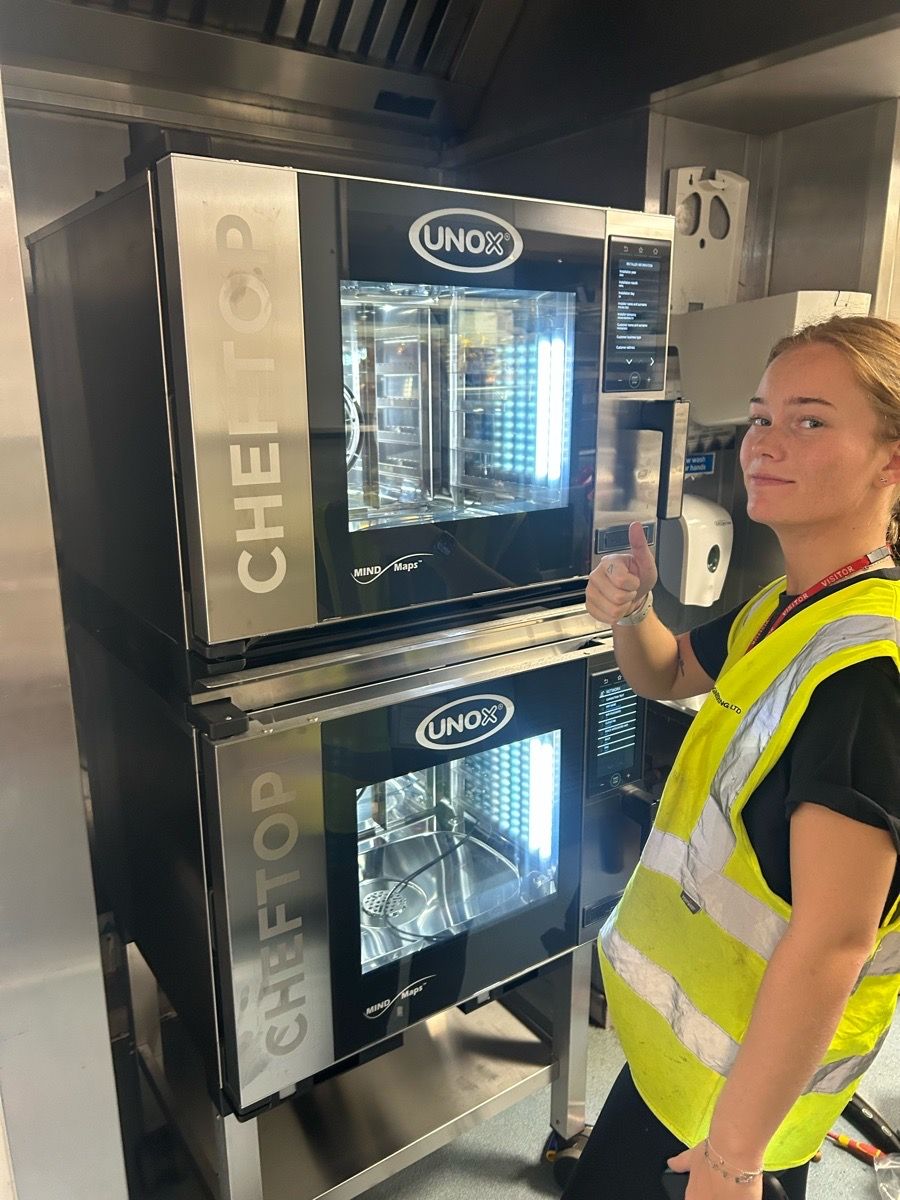
Regular professional maintenance helps identify potential issues before they lead to costly breakdowns
Before diving into maintenance specifics, it's worth understanding what's at stake when maintenance is neglected:
Financial Impact
- Emergency repair costs: Typically 3-5 times higher than planned maintenance
- Lost revenue: Equipment downtime directly impacts service capacity
- Shortened equipment lifespan: Properly maintained equipment can last 2-3 times longer
- Higher energy consumption: Poorly maintained equipment uses 10-20% more energy
- Food waste: Equipment failures can lead to spoilage and wasted inventory
- Reduced resale value: Well-documented maintenance history increases equipment resale value
Safety and Compliance Risks
- Staff safety hazards: Malfunctioning equipment increases accident risks
- Food safety concerns: Equipment operating outside optimal parameters can compromise food safety
- Regulatory non-compliance: Failure to maintain gas and electrical equipment can violate legal requirements
- Insurance implications: Claims may be denied if proper maintenance hasn't been documented
Equipment-Specific Maintenance Priorities
Different types of kitchen equipment have specific maintenance requirements:
Cooking Equipment
Ranges and Ovens:
- Calibrate temperature controls (quarterly)
- Clean burners and pilots (monthly)
- Check gas connections for leaks (quarterly)
- Inspect door seals and hinges (monthly)
- Verify safety valve operation (quarterly)
- Clean ventilation filters (weekly)
Fryers:
- Check and calibrate thermostats (quarterly)
- Inspect heating elements for damage (monthly)
- Verify high-limit switch operation (quarterly)
- Deep clean interior and elements (quarterly)
- Test gas pressure where applicable (annually)
Grills and Griddles:
- Check surface for cracks or damage (weekly)
- Clean grease traps thoroughly (daily/weekly)
- Verify thermostat accuracy (quarterly)
- Inspect gas ignition systems (monthly)
cooking equipment Equipment
- Clean condenser coils (monthly)
- Check and clean evaporator coils (quarterly)
- Inspect door gaskets for damage (monthly)
- Verify thermostat accuracy (quarterly)
- Check coolant levels and system for leaks (quarterly)
- Clean drain lines and pans (monthly)
- Inspect fan motors and blades (quarterly)
- Check defrost cycle operation (quarterly)
Dishwashing Equipment
- Check water temperatures and pressure (weekly)
- Clean wash arms and inspect for blockages (weekly)
- Descale heating elements and tanks (monthly/quarterly depending on water hardness)
- Check door alignment and gaskets (monthly)
- Inspect drainage systems (weekly)
- Test chemical dispensers for proper dosing (weekly)
Developing a Preventative Maintenance Programme
An effective maintenance strategy requires structure and consistency:
1. Equipment Inventory and Documentation
Start by creating a comprehensive equipment inventory:
- Equipment make, model, and serial numbers
- Purchase date and warranty information
- Manufacturer's maintenance recommendations
- Service history records
- Performance benchmarks (energy consumption, temperature accuracy, etc.)
- Technical manuals and troubleshooting guides
Digital asset management systems can greatly simplify this process, allowing for quick access to equipment information and automated maintenance scheduling.
2. Tiered Maintenance Scheduling
Implement a multi-level maintenance schedule:
Daily Maintenance (Staff-Performed)
- Equipment cleaning according to food safety standards
- Visual inspection for obvious issues
- Basic operational checks
- Reporting of any performance concerns
Weekly/Monthly Maintenance (Staff/Management)
- More thorough cleaning of components
- Filter replacement/cleaning
- Performance testing
- Minor adjustments within staff capability
Quarterly/Annual Maintenance (Professional Service)
- Comprehensive inspection and testing
- Component replacement based on wear
- System calibration
- Safety certification
- Preventative parts replacement
3. Staff Training and Accountability
Even the best maintenance plan fails without proper execution:
- Train all kitchen staff on basic daily maintenance procedures
- Create clear, visual maintenance checklists
- Assign specific maintenance responsibilities
- Implement verification procedures (manager sign-offs, photos)
- Include maintenance performance in staff evaluations
- Provide refresher training regularly
4. Service Partner Selection
Professional maintenance services are essential for complex equipment. When selecting a service partner, consider:
- Manufacturer certification: Technicians trained on your specific equipment
- Response guarantees: Clear SLAs for emergency response
- Preventative focus: Partners who prioritise prevention, not just repair
- Documentation: Detailed service reports and recommendations
- Parts availability: Access to OEM parts inventory
- Geographic coverage: Ability to service all your locations
- Regulatory knowledge: Understanding of gas, electrical, and food safety regulations
5. Maintenance Record Keeping
Thorough documentation is critical for several reasons:
- Warranty validation
- Insurance requirements
- Pattern identification for recurring issues
- Compliance evidence for health and safety inspections
- Equipment lifecycle planning
- Cost tracking and ROI analysis
Modern maintenance management software can streamline this process, providing mobile access, automatic scheduling, and comprehensive reporting.
The Economics of Preventative Maintenance
For businesses watching their bottom line, it's important to understand the financial case for preventative maintenance:
Cost-Benefit Analysis
Consider a typical commercial kitchen scenario:
| Maintenance Approach | Annual Costs | Equipment Lifespan | Operational Impact |
|---|---|---|---|
| Reactive Only | £6,000+ in emergency repairs | 5-7 years average | 36+ hours of downtime annually |
| Basic Preventative | £3,500 in scheduled maintenance | 8-10 years average | 12-24 hours of downtime annually |
| Comprehensive Preventative | £4,500 in scheduled maintenance | 10-15 years average | 4-8 hours of downtime annually |
When factoring in equipment replacement costs, energy savings, and reduced operational disruption, comprehensive preventative maintenance typically delivers a 200-300% return on investment.
Financing Maintenance
Several approaches can help manage maintenance costs:
- Service contracts: Fixed monthly fee covering scheduled maintenance and sometimes repairs
- Equipment leasing: Incorporating maintenance in the lease agreement
- Manufacturer extended warranties: Often requiring documented maintenance compliance
- Self-insurance fund: Setting aside repair budget proactively
Case Study: The Impact of Implementing a Structured Maintenance Programme
A multi-site restaurant group with 8 locations across the South West implemented a structured maintenance programme with our guidance in 2022, after years of reactive maintenance. The results after 18 months were compelling:
- 62% reduction in emergency call-outs
- 28% decrease in overall equipment maintenance costs
- 8% improvement in energy efficiency
- Estimated £35,000 savings from extended equipment lifespan
- Zero health code violations related to equipment issues
The kitchen staff also reported higher satisfaction due to more reliable equipment and fewer stressful breakdowns during service hours.
Special Considerations for Different Businesses
Maintenance needs vary based on operation type:
High-Volume Quick Service Restaurants
- More frequent maintenance intervals due to equipment intensity
- Focus on redundancy for critical equipment
- After-hours maintenance scheduling to avoid disruption
- Emphasis on quick-swap components
Fine Dining Establishments
- Precision calibration of temperature-critical equipment
- Aesthetic maintenance considerations
- Specialised maintenance for custom or imported equipment
- Low-volume but high-cost equipment focus
Institutional Foodservice (Schools, Hospitals)
- Stringent documentation for compliance requirements
- Focus on safety and reliability over performance
- Scheduled maintenance during operational downtimes
- Emphasis on longevity and durability
Seasonal Operations
- Intensive pre-season preparation
- Proper shutdown and storage procedures
- Different maintenance considerations for idle periods
- Renovation planning during off-season
New Technologies Transforming Maintenance
The maintenance landscape is evolving with technology:
- IoT sensors and remote monitoring: Real-time equipment performance tracking
- Predictive analytics: Identifying potential failures before they occur
- Digital twin technology: Virtual models of equipment to simulate issues
- Augmented reality: Enhanced troubleshooting and maintenance guidance
- Automated maintenance scheduling: AI-driven optimisation of maintenance timing
For larger operations, these technologies are increasingly cost-effective, with some manufacturers building these capabilities into new equipment models.
How HK Engineering Supports Commercial Kitchen Maintenance
Our approach to maintenance is proactive and comprehensive:
- Customised maintenance programmes: Tailored to your specific equipment mix, usage patterns, and business requirements
- Multi-tier service options: From basic preventative maintenance to comprehensive coverage
- Certified technicians: Factory-trained for all major equipment brands
- Digital documentation: Complete service records and asset management
- Staff training: Hands-on guidance for daily and weekly maintenance tasks
- Emergency repair support: Call 01225 791848 to discuss the fault and available options when issues occur
- Genuine parts inventory: Quick access to OEM components
- Maintenance audits: Identifying improvement opportunities in existing processes
We serve clients throughout England and Wales with a particular focus on the restaurant, hotel, healthcare, and education sectors.
Conclusion
Effective equipment maintenance is not an optional extra—it's a fundamental business practice that protects your investment, ensures operational continuity, and promotes safety compliance. The transition from reactive to preventative maintenance typically delivers a return on investment within the first year while significantly extending equipment lifespan.
For most commercial kitchens, the optimal approach combines staff-performed routine maintenance with professional scheduled service, creating a comprehensive programme that addresses equipment needs at all levels.
If you're interested in developing or improving your maintenance programme, contact HK Engineering on 01225 791848 or email info@hkengineeringltd.co.uk for a consultation. We can help you assess your current practices, identify improvement opportunities, and implement a maintenance strategy that supports your operational and financial goals.
About the Author
Luke Herridge is a Director at HK Engineering Ltd with extensive experience in commercial kitchen equipment maintenance and repair. Luke leads the company's service team and has developed maintenance programmes for businesses ranging from independent restaurants to multi-site chains and institutional foodservice operations.
Related Articles
How Much Does a CP42 Commercial Gas Safety Certificate Cost in 2026?
Read Article
EICR Cost for Commercial Kitchens — 2026 UK Price Guide
Read Article


