

Commercial Catering Equipment Safety: Critical Standards and Best Practices
Commercial Catering Equipment Safety: Critical Standards and Best Practices
Safety in commercial catering environments requires specialised knowledge and strict adherence to industry standards. Commercial kitchen equipment operates at high temperatures, under significant pressure, and often with open flames in confined spaces—creating inherent risks that must be properly managed through rigorous safety protocols and regular professional assessments.
As the National Service Manager at HK Engineering, I lead our nationwide technical team responsible for commercial catering equipment safety inspections, certifications, and risk assessments. Our engineers conduct thousands of safety evaluations annually across the hospitality, healthcare, and education sectors. This guide compiles the critical safety standards and operational best practices we've developed through decades of specialised experience in commercial kitchen safety.
The Regulatory Framework: Understanding Your Legal Obligations
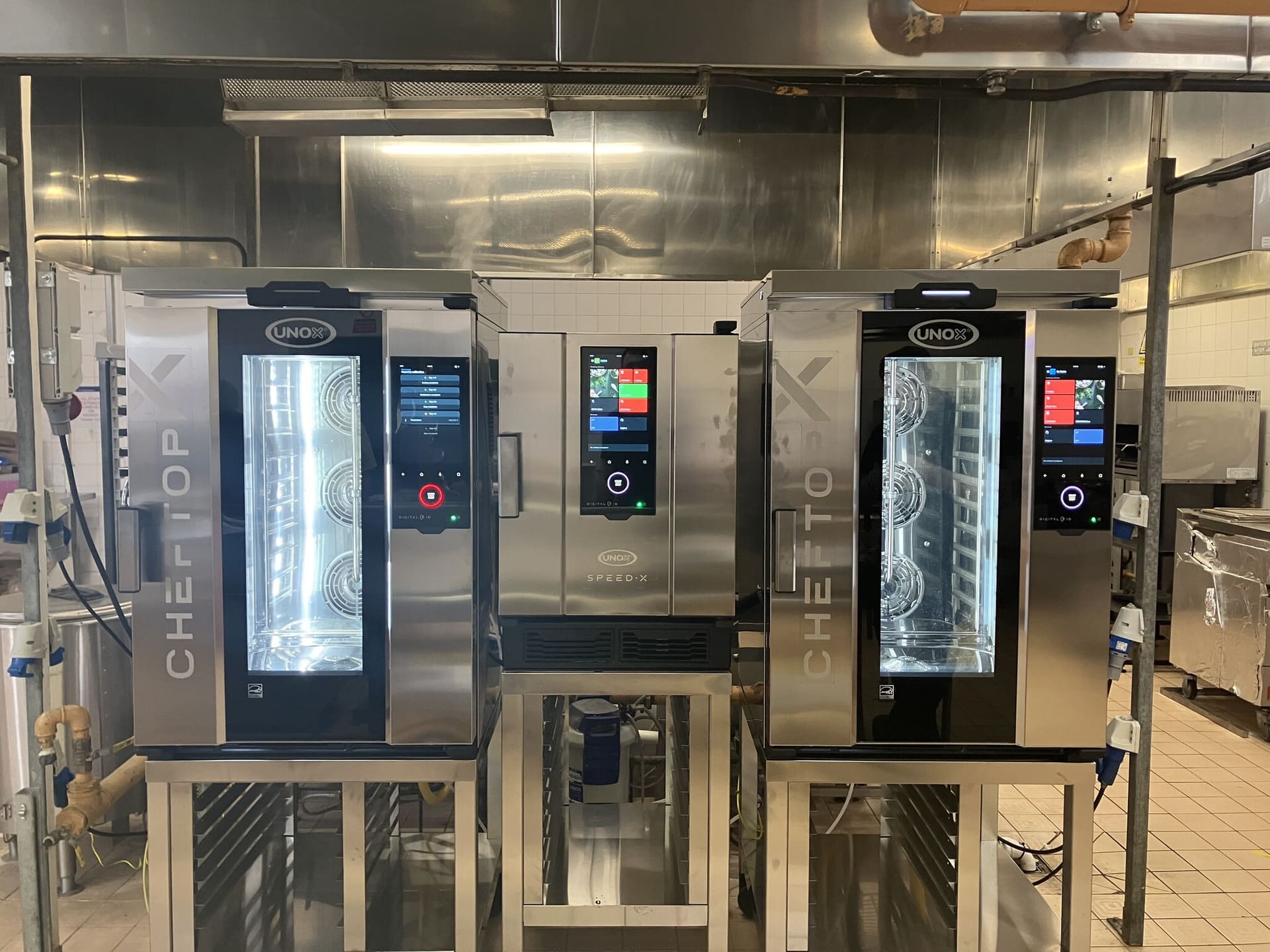
Regular professional inspections are a cornerstone of commercial kitchen compliance
Commercial kitchen operators in the UK must comply with several overlapping regulations:
Core Legislative Requirements
- Health and Safety at Work Act 1974: The foundation of workplace safety law, requiring employers to ensure the safety of all equipment
- Gas Safety (Installation and Use) Regulations 1998: Mandates annual inspection of all gas appliances by Gas Safe registered engineers
- Electricity at Work Regulations 1989: Requires that electrical systems are maintained to prevent danger
- Provision and Use of Work Equipment Regulations 1998 (PUWER): Specifies that all work equipment must be suitable, maintained, and inspected
- Pressure Systems Safety Regulations 2000: Applies to pressure cookers, steam ovens, and similar equipment
- Food Safety Act 1990 and Food Hygiene Regulations: Require equipment to be maintainable in clean condition
These laws establish your legal duty of care, and non-compliance can result in significant penalties, including:
- Improvement and prohibition notices
- Fines of up to £20,000 per breach in magistrates' courts
- Unlimited fines in Crown Court for serious cases
- Potential imprisonment for grossly negligent cases
- Forced business closure
- Invalidation of insurance coverage
Beyond these immediate consequences, safety incidents can irreparably damage your reputation and customer trust.
Equipment-Specific Compliance Requirements
Different types of catering equipment have specific compliance requirements:
1. Gas Equipment
Gas appliances present particular hazards and have strict requirements:
Essential Compliance Measures:
- Annual gas safety inspection: Required by law for all commercial gas appliances
- Gas Safe registered engineers: Only Gas Safe engineers can legally work on gas equipment
- Gas Safety Certificate: Must be issued annually and kept for at least 2 years
- Gas interlock systems: Required in new installations to ensure ventilation is operating before gas flows
- Staff awareness: Training in emergency gas shut-off procedures
Gas Safety Certificate Requirements
A valid Gas Safety Certificate must include:
- Date of inspection
- Location and description of each appliance/flue
- Results of safety checks
- Any defects identified and actions required
- Engineer's name, Gas Safe registration number, and signature
- Next inspection due date
2. Electrical Equipment
Electrical equipment requires regular inspection and testing:
Essential Compliance Measures:
- Fixed Wire Testing (EICR): Every 5 years for commercial kitchens (or more frequently in harsh environments)
- Portable Appliance Testing (PAT): Typically annually for commercial kitchen equipment
- RCD protection: Required for socket outlets in "wet areas" including kitchens
- NICEIC certification: Ensuring work is carried out by qualified electricians
- Documentation: Test certificates must be maintained for inspection
The frequency of electrical testing should be determined by risk assessment, but the industry standard for commercial kitchens is annual PAT testing and 5-yearly fixed installation testing.
3. Ventilation Systems
Extraction systems are critical for fire safety and require regular maintenance:
Essential Compliance Measures:
- TR19 compliance: BESA's guide for cleanliness of ventilation systems
- Cleaning frequency: Heavy use (12-16 hours daily) requires quarterly cleaning
- Fire suppression systems: Six-monthly checking and annual servicing
- Interlock verification: Testing the connection between ventilation and gas/electrical supply
- Filters: Weekly cleaning of grease filters
Inadequate ventilation maintenance is a leading cause of kitchen fires, with insurance claims often rejected if regular cleaning cannot be proven.
4. cooking equipment Equipment
Temperature-controlled equipment has both safety and food hygiene implications:
Essential Compliance Measures:
- Temperature monitoring: Daily checks and records of operating temperatures
- Preventative maintenance: Annual service by qualified cooking equipment engineers
- F-Gas compliance: For systems containing certain coolants, annual leak checking
- Calibration: Annual verification of temperature display accuracy
- Condensers: Regular cleaning to maintain efficiency and prevent fire risks
5. Pressure Equipment
Equipment operating under pressure (steam ovens, pressure cookers, coffee machines) require:
Essential Compliance Measures:
- Written scheme of examination: Required for pressure systems above specified thresholds
- Competent person inspection: Usually annually but determined by the written scheme
- Safety valve testing: Regular verification of pressure relief mechanisms
- Operator training: Specific instruction on safe operation and emergency procedures
- Maintenance records: Documented history of all service and repairs
Developing Your Compliance Management System
An effective approach to compliance management includes these key elements:
1. Equipment Inventory and Documentation
Start by creating a comprehensive equipment register:
- List all appliances with make, model, and serial numbers
- Include installation dates, warranty information, and expected lifespan
- Note specific compliance requirements for each piece of equipment
- Document maintenance history and certification dates
- Store user manuals and manufacturer's specifications
This detailed inventory allows you to track compliance requirements and plan for inspections proactively.
2. Compliance Calendar
Create a schedule of all required inspections and certifications:
| Equipment Type | Inspection Type | Frequency | Certification Required |
|---|---|---|---|
| Gas Appliances | Gas Safety Check | Annual | Gas Safety Certificate |
| Fixed Electrical | EICR | 5 Years | Electrical Installation Condition Report |
| Portable Electrics | PAT Testing | Annual | PAT Test Certificate |
| Extraction | Deep Clean | 3-12 months based on usage | TR19 Cleaning Certificate |
| Fire Suppression | System Test | Annual | Fire System Test Certificate |
| Pressure Vessels | Examination | As per written scheme | Examination Report |
Set reminder notifications 30-60 days before certifications expire to ensure continuity of compliance.
3. Service Provider Management
Establish relationships with qualified service providers:
- Verify proper qualifications and certifications (Gas Safe, NICEIC, etc.)
- Create a preferred provider list with contact information
- Consider service contracts for critical equipment
- Evaluate service quality and certification thoroughness
- Maintain communication records with service providers
4. Staff Training and Responsibility Assignment
Compliance isn't just about external inspections—daily vigilance is essential:
- Designate specific team members as equipment safety champions
- Train staff on daily/weekly equipment checks
- Create clear reporting procedures for equipment issues
- Include equipment safety in staff induction
- Document all training provided
Staff who understand the importance of equipment safety become your first line of defence against developing problems.
5. Documentation Management
Organised record-keeping is essential for demonstrating compliance:
- Maintain a centralised file (physical or digital) of all certifications
- Keep records of daily/weekly checks and maintenance
- Document any issues identified and corrective actions taken
- Store records for the required duration (typically 2-5 years)
- Ensure documents are accessible during inspections
Consider digital solutions for compliance management—they can provide automatic reminders and cloud storage of certification documents.
Conducting Internal Compliance Audits
Regular self-assessment helps maintain continuous compliance:
Quarterly Self-Inspection Process
- Certification review: Verify all certificates are current and properly filed
- Visual equipment inspection: Check for obvious issues or damage
- Staff knowledge check: Confirm team members understand safety procedures
- Maintenance record review: Ensure scheduled maintenance is being completed
- Upcoming requirements: Identify certifications needing renewal in the next quarter
Download our Commercial Kitchen Compliance Checklist to guide your self-inspection process.
Working with Enforcement Agencies
Understanding how regulatory bodies approach enforcement helps you prepare for inspections:
Environmental Health Officers (EHOs)
- Typically inspect during routine food hygiene visits
- Focus on equipment cleanliness and maintenance
- Will check gas and electrical certificates
- Look for evidence of regular maintenance
- May require temperature monitoring records
Health and Safety Executive (HSE)
- Usually visit after incidents or based on complaints
- Examine compliance with all relevant safety legislation
- Review risk assessments and safe systems of work
- Check equipment maintenance records in detail
- May interview staff about safety procedures
Building a Positive Relationship
- Maintain organised documentation ready for inspection
- Demonstrate proactive compliance management
- Address any identified issues promptly
- Seek clarification if requirements seem unclear
- Consider voluntary compliance consultations
Insurance Implications of Compliance
Insurance coverage for commercial kitchens is directly linked to compliance:
Key Insurance Considerations
- Policy requirements: Most policies explicitly require compliance with all regulations
- Claim invalidation: Non-compliance can void coverage for related incidents
- Premium impacts: Demonstrated compliance can reduce premiums
- Insurer inspections: Some insurers conduct their own equipment inspections
- Documentation requirements: Proof of certification is typically required for claims
Review your insurance policy carefully to understand specific compliance requirements—they may exceed legal minimums in some cases.
Case Study: Compliance Management in Practice
To illustrate effective compliance management, consider this real-world example:
Multi-Site Restaurant Group Approach
A restaurant group operating 8 locations across the UK implemented a centralised compliance management system:
Key Elements:
- Digital compliance platform: Cloud-based system tracking all certification dates
- Corporate compliance manager: Dedicated role overseeing all locations
- Standardised service contracts: Group-wide agreements with certified providers
- Site-specific compliance folders: Both digital and physical documentation at each location
- Monthly management reporting: Compliance status included in executive dashboard
Results:
- Zero compliance-related issues during EHO inspections over 2 years
- 8% reduction in insurance premiums due to demonstrated compliance
- Equipment downtime reduced by 22% through preventative maintenance
- Successful insurance claim following water damage due to complete documentation
- Simplified management transitions with clear compliance handover
Common Compliance Pitfalls to Avoid
Based on our experience working with hundreds of commercial kitchens, these are the most common compliance mistakes:
1. Certification Gaps
Allowing certifications to expire before renewal, creating periods of non-compliance. Always schedule recertification at least 30 days before expiry.
2. Incomplete Documentation
Having the work done but failing to properly file and maintain the certification documents. Create both digital and physical filing systems.
3. Neglecting Daily/Weekly Checks
Focusing only on annual certifications while overlooking the importance of ongoing monitoring. Implement simple checklists for regular staff verification.
4. Using Unqualified Service Providers
Hiring contractors without verifying proper certifications (Gas Safe, NICEIC, etc.). Always verify credentials before allowing work on your equipment.
5. Reactive Rather Than Proactive Approach
Addressing compliance only when problems occur or inspections are imminent. Develop a proactive compliance calendar with automated reminders.
How HK Engineering Supports Compliance Management
We offer comprehensive solutions to help businesses maintain equipment compliance:
- Compliance audit services: Independent assessment of your current status
- Certification management: Tracking and scheduling of all required inspections
- Qualified technicians: Gas Safe registered engineers and NICEIC approved electricians
- Digital documentation: Secure storage and management of compliance certificates
- Reminder services: Proactive notification of upcoming certification requirements
- Staff training: Equipment safety awareness and daily check procedures
- Compliance packages: Bundled services covering all major compliance areas
Our expertise spans all commercial catering equipment types, with particular focus on gas, electrical, and ventilation compliance requirements.
Conclusion: From Compliance Burden to Business Advantage
While equipment compliance may initially seem like a regulatory burden, effective compliance management delivers significant business benefits:
- Risk reduction: Minimizing the likelihood of safety incidents and associated costs
- Business continuity: Preventing equipment failures through regular inspection
- Insurance validity: Ensuring claims will be honored when needed
- Legal protection: Demonstrating due diligence in case of incidents
- Reputation management: Avoiding the negative publicity of safety issues
- Operational efficiency: Well-maintained equipment performs better and uses less energy
By implementing a systematic approach to compliance management, you transform a potential business vulnerability into an operational strength.
For a personalised assessment of your commercial catering equipment compliance or to learn more about our compliance management services, contact HK Engineering at 01225 791848 or email info@hkengineeringltd.co.uk.
About the Author
Glenn Hatch is the National Service Manager at HK Engineering Ltd with extensive experience overseeing commercial catering equipment installation, maintenance, and compliance across the UK. Glenn manages our nationwide team of field engineers and coordinates our service operations to ensure clients receive timely, expert support for all their equipment needs while maintaining the highest standards of safety and regulatory compliance.
Related Articles
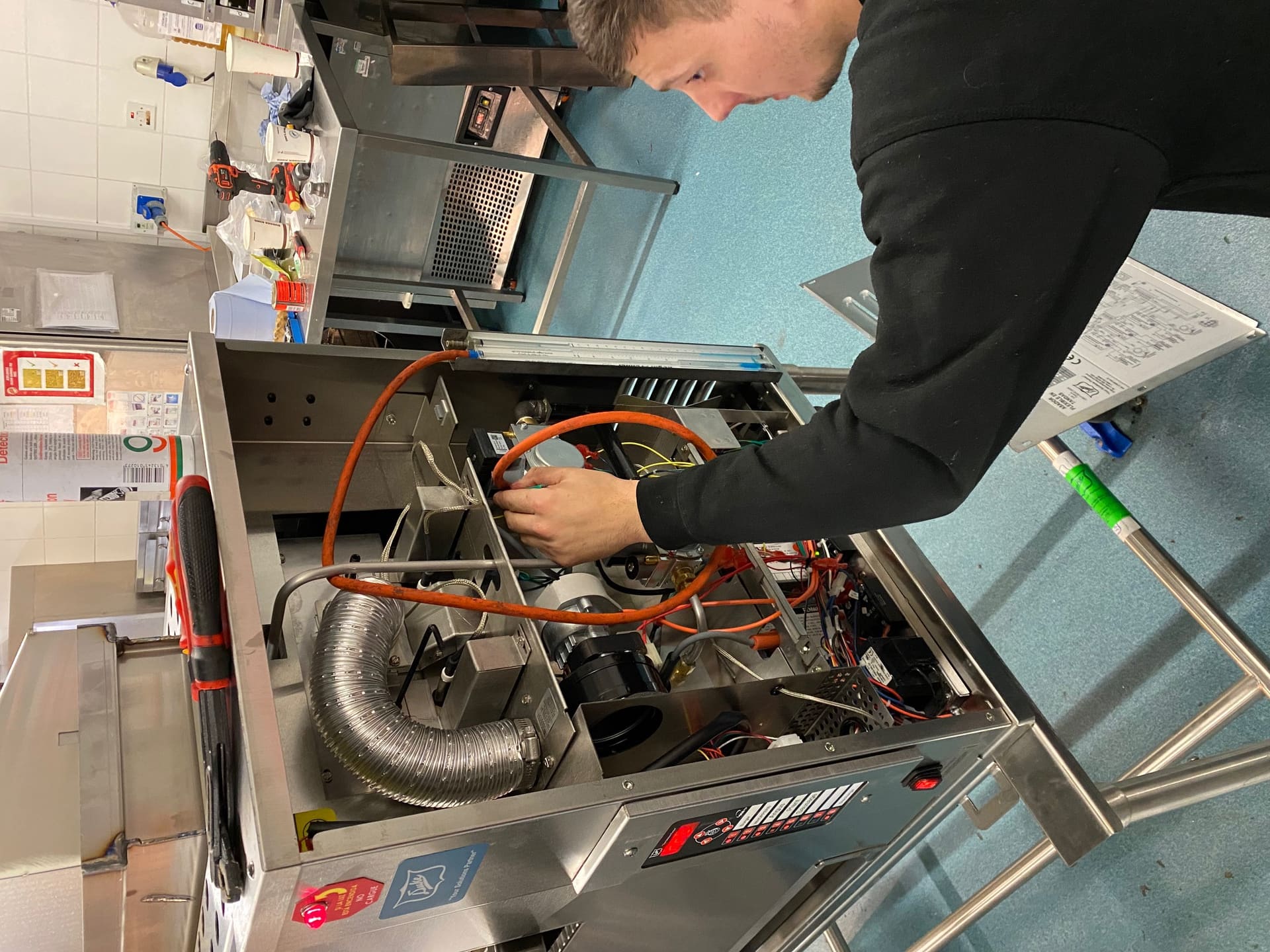
How Much Does a CP42 Commercial Gas Safety Certificate Cost in 2026?
Read Article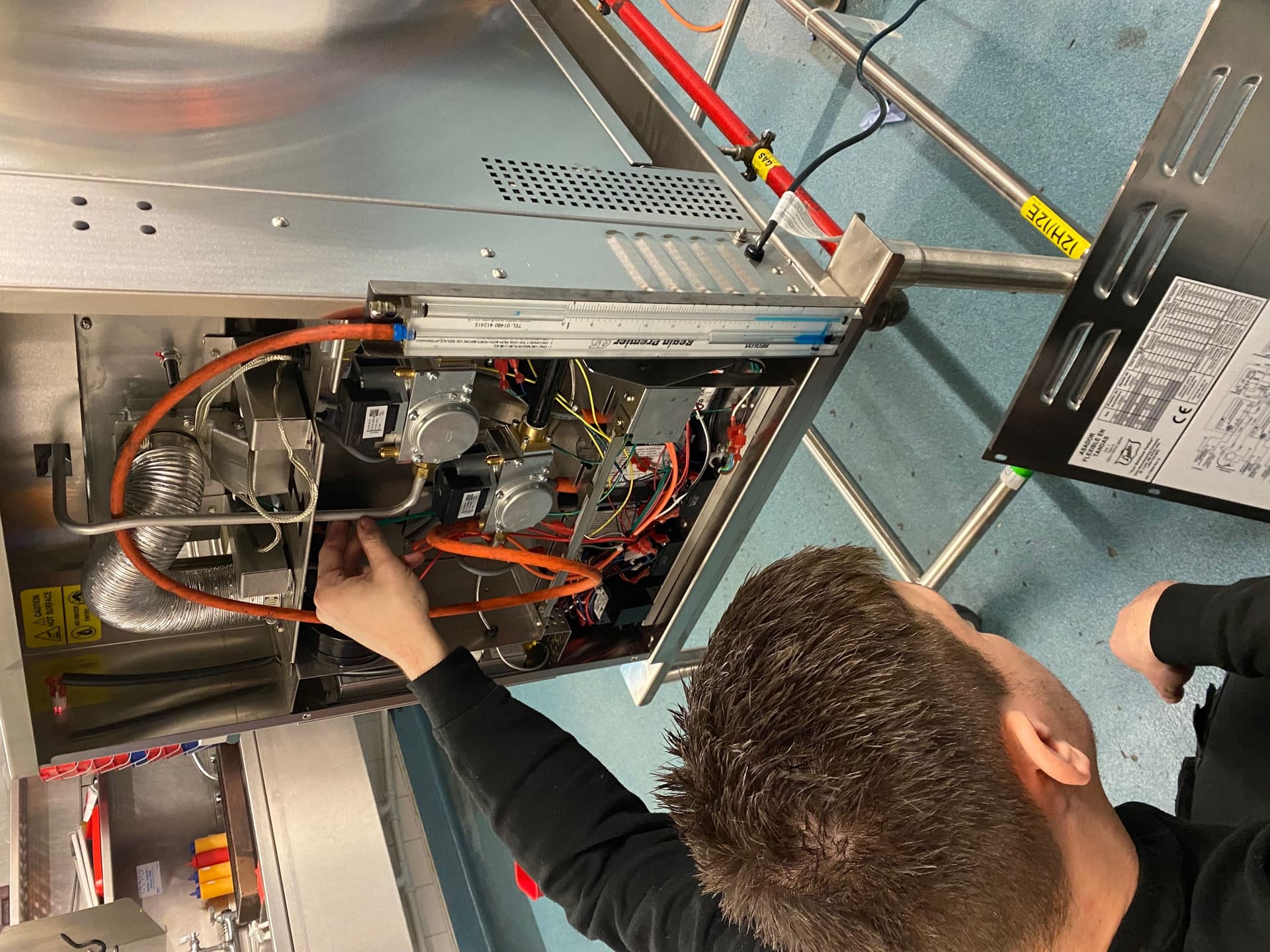
EICR Cost for Commercial Kitchens — 2026 UK Price Guide
Read Article


