Commercial Dishwashers: Maximising Efficiency in High-Volume Kitchens
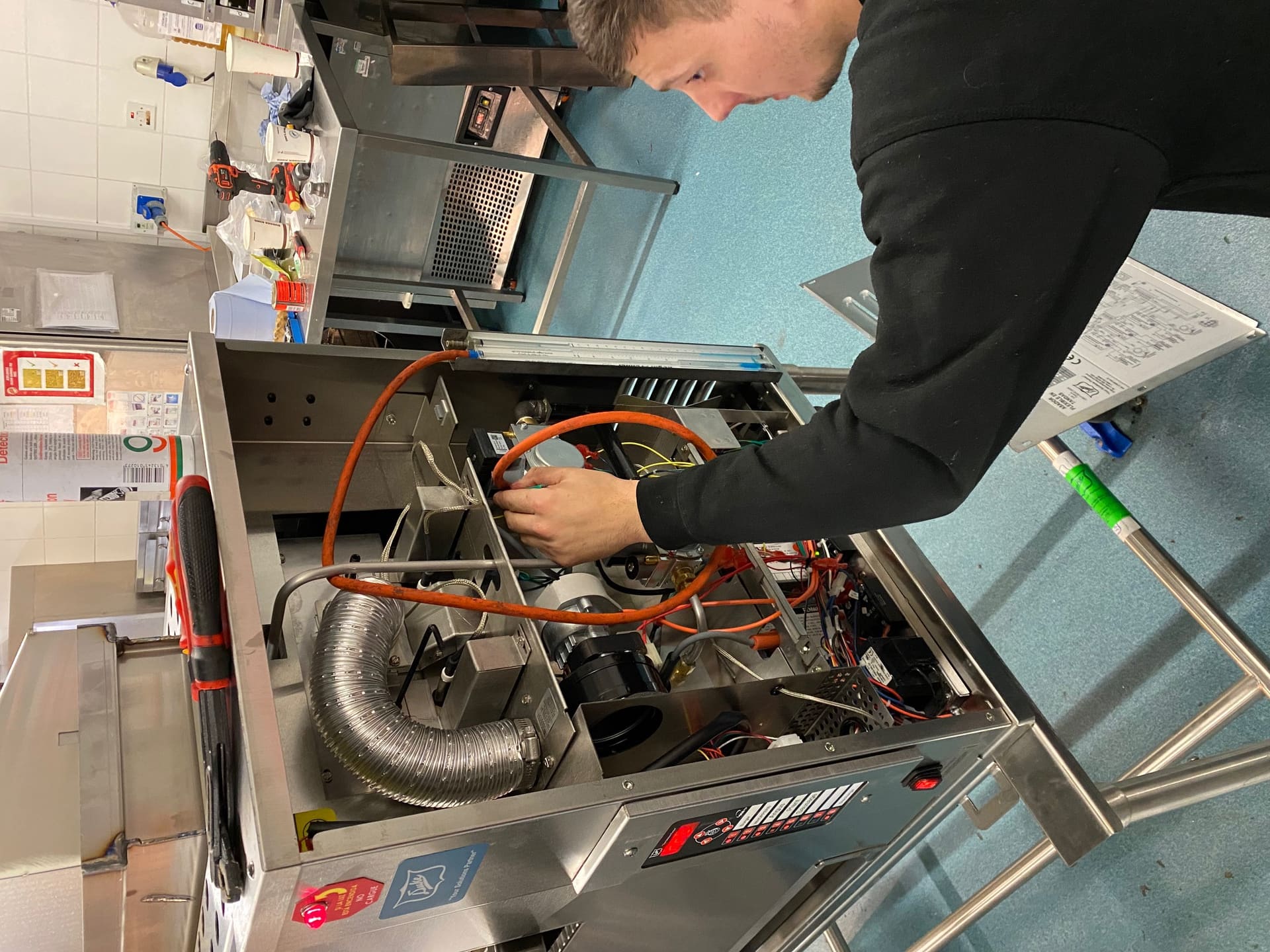
For busy commercial kitchens across the hospitality sector, an efficient and reliable dishwashing system is not merely a convenience—it's an operational necessity. At HK Engineering, we've helped countless establishments across England and Wales optimise their washing operations through strategic equipment selection and professional maintenance. This article examines the key considerations for maximising dishwasher efficiency in high-volume commercial environments.
The Evolution of Commercial Dishwashing Technology
Modern commercial dishwashers have evolved significantly from earlier models, offering dramatic improvements in water consumption, energy efficiency, and cleaning performance. Today's high-performance units can process hundreds of place settings per hour while using less than 2 litres of water per cycle—a remarkable advancement from the 40+ litres typical of models from just a decade ago.
The most significant innovations in commercial dishwashing technology include:
- Heat recovery systems that capture steam energy for pre-heating incoming water
- Variable pressure washing that adjusts based on soil levels and dish types
- Smart rinse technology that optimises water usage while ensuring sanitisation standards
- Integrated water filtration systems that extend both water and detergent life
- Modular design allowing for adaptable configurations in space-constrained kitchens
Key Categories of Commercial Dishwashers
Understanding the differences between dishwasher types is essential for selecting the right equipment for your specific operation:
1. Undercounter Dishwashers
Ideal for smaller establishments like cafés and pubs, these compact units fit under standard 90cm worktops and can process approximately 30-40 racks per hour. While their capacity is limited, modern undercounter models offer impressively quick cycle times of 60-120 seconds. These units are perfect for operations requiring up to 500 place settings daily.
2. Pass-Through (Hood) Dishwashers
The workhorse of mid-sized commercial kitchens, pass-through dishwashers feature a lifting hood and can process 60-70 racks hourly. Their ergonomic design allows for efficient loading and unloading, significantly increasing throughput compared to undercounter models. These are particularly suitable for restaurants serving 50-150 covers during peak periods.
3. Flight-Type Conveyor Dishwashers
For large-scale operations such as hotels, hospitals and university catering, flight-type dishwashers represent the gold standard in high-volume washing. Capable of processing up to 12,000 plates per hour, these sophisticated systems feature multiple wash zones and automated loading/unloading. While their initial investment is substantial, the operational efficiency delivers compelling long-term return on investment for high-volume establishments.
4. Specialist Glasswashers
Purpose-designed for bars and pubs, commercial glasswashers provide gentle but thorough cleaning for delicate glassware. Using lower water temperatures and specialised detergents, these units prevent glass clouding while ensuring perfect sanitisation. The latest models feature soft-start functionality that gradually increases water pressure to minimise breakage.
Water and Energy Efficiency Considerations
When evaluating commercial dishwashers, efficiency metrics should be a primary consideration:
Water Consumption
Modern efficient commercial dishwashers typically use between 1.5 and 3 litres of water per rack, representing significant improvements over older technology. For high-volume operations, this efficiency can translate to water savings of thousands of litres daily. When selecting equipment, look for:
- Smart rinse systems that adjust water volume based on load size
- Effective filtration systems that maximise water reuse potential
- Economiser modes for periods of lighter use
Energy Usage
Energy costs typically represent 70-80% of a commercial dishwasher's lifetime operating expenses. The most energy-efficient models now incorporate:
- Heat recovery systems that reduce energy requirements by up to 30%
- Enhanced insulation to minimise heat loss
- Automated standby modes during periods of inactivity
- Variable frequency drives that optimise pump energy consumption
Chemical Usage Optimisation
Proper chemical dosing is critical for both effective cleaning and equipment longevity. Overdosing wastes expensive chemicals and can damage both dishwasher components and dishware, while underdosing results in inadequate cleaning performance.
We recommend:
- Automated chemical dispensing systems for precise dosing
- Regular water hardness testing to determine optimal detergent levels
- Using manufacturer-recommended chemicals formulated for commercial dishwashers
- Periodic assessment of chemical effectiveness and efficiency
Preventative Maintenance: The Key to Dishwasher Longevity
Properly maintained commercial dishwashers can provide 7-10 years of reliable service, while neglected units often fail within 2-3 years. Our preventative maintenance programme includes:
Daily Maintenance (Staff)
- Thorough cleaning of filters and removal of food debris
- Inspection of wash and rinse arms for blockages
- Verification of chemical levels and proper dispensing
- Cleaning of interior surfaces to prevent lime scale buildup
Quarterly Professional Maintenance
- Complete disassembly and cleaning of all wash components
- Inspection and adjustment of water temperature and pressure
- Testing of all safety systems and door mechanisms
- Descaling of heating elements and water pathways
- Verification of proper rinse temperature for sanitisation (minimum 82°C)
Integration with Kitchen Workflow
Even the most efficient dishwasher can become a bottleneck if poorly integrated into your kitchen workflow. Consider these design principles:
- Position the dishwashing area to minimise cross-traffic with food preparation
- Implement a unidirectional flow from soiled to clean to prevent contamination
- Ensure adequate landing and staging areas for both soiled and clean items
- Consider acoustical treatment for noise reduction in open-kitchen concepts
- Design appropriate ventilation to manage heat and humidity
Return on Investment Analysis
When evaluating the investment in commercial dishwashing equipment, we help our clients consider the complete financial picture:
| Cost Factor | Standard Model | High-Efficiency Model |
|---|---|---|
| Initial Investment | £4,500 - £7,000 | £8,000 - £12,000 |
| Annual Water Costs | £1,200 - £1,800 | £600 - £900 |
| Annual Energy Costs | £2,400 - £3,600 | £1,400 - £2,100 |
| Annual Chemical Costs | £900 - £1,300 | £700 - £1,000 |
| Annual Labour Costs | £9,000 - £15,000 | £7,000 - £12,000 |
| 5-Year Replacement Parts | £2,000 - £3,500 | £1,500 - £2,500 |
| Total 5-Year Cost | £72,000 - £114,000 | £53,000 - £78,000 |
As the data demonstrates, while high-efficiency models require greater initial investment, they typically deliver 25-35% lower total operating costs over a five-year period—a compelling case for considering premium equipment.
Conclusion: The Strategic Importance of Dishwashing Systems
Commercial dishwashers represent a critical operational component that affects everything from labour costs to health compliance. By selecting appropriate equipment, implementing proper maintenance protocols, and optimising workflow integration, commercial kitchens can achieve substantial operational efficiencies while maintaining the highest standards of cleanliness and sanitisation.
At HK Engineering, our experienced technicians specialise in the installation, maintenance, and repair of all major commercial dishwasher brands across England and Wales. Contact our team for a consultation on optimising your dishwashing operations.
Related Articles

Next-Generation Smart Combi Ovens: The Ultimate Guide
Read Article
How to Choose the Right Commercial cooking equipment System for Your Business
Read Article